
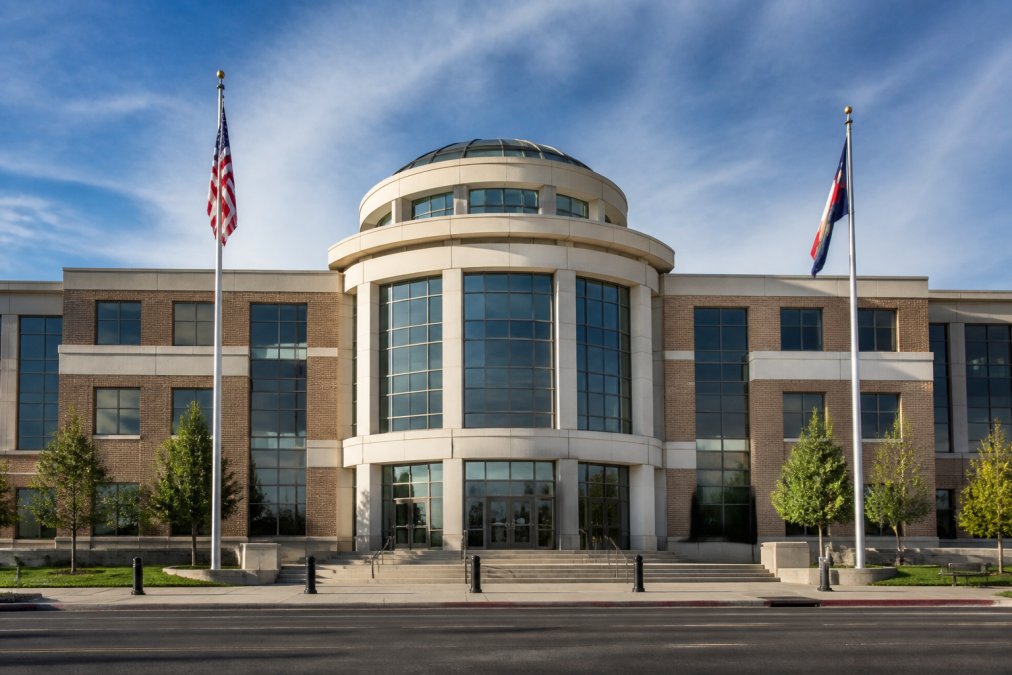
Weld County court operates within Colorado's judicial system, handling criminal cases, civil litigation, family law matters, probate, and juvenile cases. The district court manages felony charges, while county court typically handles misdemeanor offenses and traffic violations. Understanding how the court system is organized and the procedures that govern it is essential before your first appearance.
Table of Contents
- Understanding Weld County Court Structure and Types of Cases
- Colorado First Appearance Hearing Procedure: Your Initial Court Date
- Weld County Pretrial Services Requirements and What They Mean
- Weld County Court Virtual Appearance Rules and Options
- How to Find Case Information and Navigate the Docket
- Courtroom Etiquette, Dress Code, and What to Bring
- Filing Rules, Procedures, and Self-Help Resources in Weld County
- Preparing for Your Court Appearance: A Step-by-Step Walkthrough
Last Updated: August 25, 2026
Understanding Weld County Court Structure and Types of Cases
Judges, court clerks, and court personnel follow established protocols designed to move cases through the system efficiently while ensuring each matter receives proper attention. At Law Offices of Robert E. Ray, we've guided clients through Weld County courts, helping them understand the structure and what happens at each stage.
Colorado First Appearance Hearing Procedure: Your Initial Court Date
Your first appearance in Weld County court is called the advisement hearing or initial appearance, and it typically occurs within 72 hours of your arrest. During this hearing, the judge informs you of the charges, explains your rights, and discusses bail or bond conditions. This is not the time to plead guilty or enter into a full trial; it's an informational hearing where you're advised of what comes next.
The judge will ask whether you understand the charges and your rights. You'll learn about pretrial services requirements if applicable. The advisement hearing also addresses whether you can be released on your own recognizance, whether bail is required, and what conditions might be attached to your release. A return date will be set for your next court appearance, and missing it has serious consequences, including additional charges for failure to appear.
Having an attorney present at this hearing ensures someone is advocating for reasonable bail conditions and fighting for your release.
Weld County Pretrial Services Requirements and What They Mean
Pretrial services in Weld County court serve as a bridge between arrest and trial. If you're released on bail or recognizance, you'll likely be subject to pretrial services requirements designed to ensure you appear for future court dates and don't commit additional crimes while your case is pending.
These requirements might include regular check-ins with a pretrial officer, drug testing, electronic monitoring, or restrictions on your movement. The specific requirements depend on the nature of your charges, your criminal history, and the judge's assessment of your risk level. Violating pretrial conditions can result in your bail being revoked and immediate incarceration (colorado.gov).
An experienced attorney can advocate for reasonable conditions during the bail hearing and help you understand exactly what compliance looks like in your specific situation.
Weld County Court Virtual Appearance Rules and Options
Virtual court appearances have become a standard option in Weld County court, particularly for certain types of proceedings. Not all hearings qualify for virtual appearance, arraignments, trials, and certain motions typically require in-person attendance. However, some pretrial conferences, scheduling hearings, and status updates may be conducted remotely.
If a virtual appearance is allowed, you'll receive instructions on how to access the video conference system. You'll need a reliable internet connection, a device with a camera and microphone, and a quiet location where you can participate without interruption. Dress code standards still apply even for virtual appearances; dress as professionally as you would for an in-person court appearance.
If you're uncertain whether your hearing qualifies for virtual appearance or how to access the system, your attorney can clarify these details and ensure you're prepared.
How to Find Case Information and Navigate the Docket
Finding information about your case in Weld County court is straightforward if you know where to look. The Weld County District Court website provides access to docket information, allowing you to see what documents have been filed, upcoming court dates, and the status of your case. You'll need your case number, which you received when you were charged.
Understanding how to read the docket helps you stay informed about your case. Each entry shows the date, the type of filing, and often a brief description of what was filed. Your attorney will explain what each filing means and how it affects your case.
Courtroom Etiquette, Dress Code, and What to Bring
Understanding basic courtroom expectations makes your first appearance more manageable. Courtroom etiquette exists to maintain respect for the judicial process and ensure proceedings move smoothly.
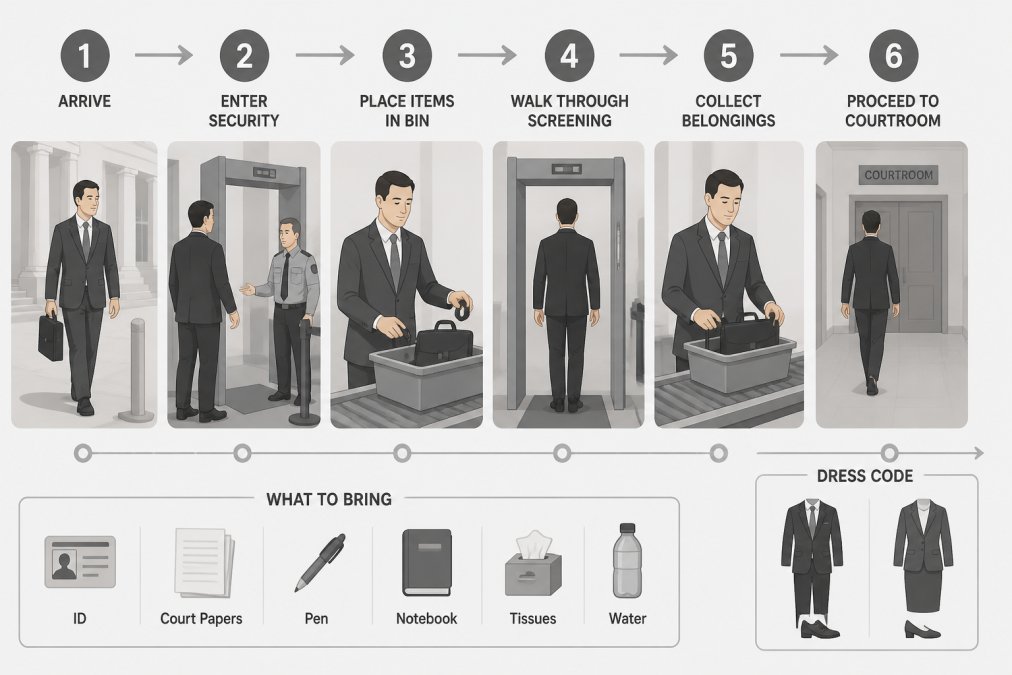
Dress code matters in Weld County court. Wear professional clothing, business casual at minimum, business formal ideally. Men should wear dress pants, a collared shirt, and a tie if possible. Women should wear dress pants or a skirt, a professional blouse, and closed-toe shoes. Avoid clothing with graphics, slogans, or anything that might distract from the proceedings.
Courtroom rules are strict about what you can bring inside. Leave your phone on silent or in your car. Weapons of any kind are prohibited. Recording devices are not permitted. Bags should be minimal; a small folder for documents is acceptable.
When you enter the courtroom, stand when the judge enters. Address the judge as "Your Honor." Speak clearly and directly. Don't interrupt others, and wait to be recognized before speaking. If you're unsure about any aspect of courtroom etiquette, ask your attorney beforehand.
Filing Rules, Procedures, and Self-Help Resources in Weld County
If you're representing yourself or want to understand the filing process in Weld County court, knowing the basic rules prevents costly mistakes. Documents filed in Weld County court must follow specific formatting requirements. Pages should be numbered, margins should be standard, and font size should be readable. Failure to follow these technical requirements can result in your document being rejected, delaying your case.
The Weld County District Court provides self-help resources for people who cannot afford an attorney or choose to represent themselves. These resources include guides on filing procedures, motion templates, and information about common legal processes. The self-help center staff can answer procedural questions, though they cannot provide legal advice.
Preparing for Your Court Appearance: A Step-by-Step Walkthrough
Preparation is the key to managing anxiety and presenting yourself effectively in Weld County court. A systematic approach to getting ready for your hearing reduces uncertainty and helps you focus on what matters.
Step 1: Confirm Your Hearing Date and Time (One Week Before) Contact your attorney or the court clerk to confirm the exact date, time, and location of your hearing. Write down the information and set a reminder for the day before.
Step 2: Gather Required Documents (Three to Five Days Before) Collect any documents your attorney requested or that might be relevant to your case. Organize them in a folder in the order your attorney suggests.
Step 3: Dress Appropriately (The Night Before) Select your courtroom outfit and lay it out. Make sure everything is clean, pressed, and professional.
Step 4: Plan Your Route and Arrival Time (The Night Before) Determine how you'll get to the courthouse and how long it will take. Plan to arrive at least 15 minutes early.
Step 5: Review Your Case with Your Attorney (The Day Of, If Possible) If your attorney is meeting you before the hearing, arrive early enough to discuss any last-minute questions or strategy adjustments.
Step 6: Arrive at the Courthouse with Time to Spare Plan to arrive 30 minutes before your hearing. This allows time for security screening, finding the courtroom, and composing yourself.
Step 7: Proceed Through Security Screening Expect to go through a security checkpoint. Place keys, phone, and metal items in a bin and walk through the metal detector.
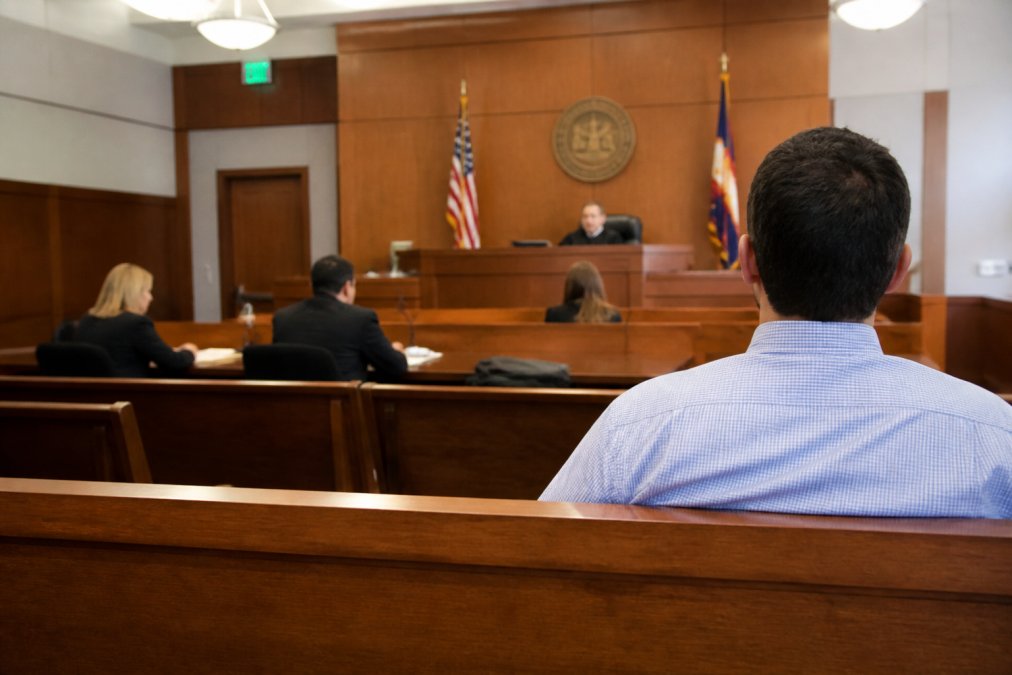
Step 8: Locate Your Courtroom Find the courtroom number and enter quietly. Sit in the gallery unless your attorney directs you otherwise.
Step 9: When Your Case Is Called, Approach the Bench Listen for your name. When called, approach the attorney table or bench as directed. Stand respectfully and wait for the judge to address you.
Step 10: Follow the Proceedings Pay attention to what the judge, your attorney, and the prosecutor say. Take notes if needed. If you don't understand something, ask your attorney to clarify during a recess or after the hearing.
| Step | Timing | Action |
|---|---|---|
| Confirm details | 1 week before | Contact court/attorney |
| Gather documents | 3-5 days before | Collect relevant records |
| Prepare outfit | Night before | Select and press clothing |
| Plan route | Night before | Determine travel time |
| Review case | Day of hearing | Meet with attorney |
| Arrive early | 30 minutes before | Allow security time |
| Security screening | Upon arrival | Follow checkpoint procedures |
| Find courtroom | Before hearing | Locate correct room |
| Wait in gallery | Before your case | Observe other proceedings |
| Approach when called | During hearing | Stand and wait for judge |
Navigating Weld County court is challenging, but understanding what to expect removes much of the uncertainty. The court system operates on established procedures and timelines, and preparation transforms anxiety into confidence. Law Offices of Robert E. Ray has represented clients throughout Northern Colorado for decades, helping them understand court procedures and advocating for their rights at every stage. If you're facing charges or legal proceedings in Weld County, having an experienced attorney who knows these courts intimately makes a significant difference in how your case unfolds. Contact us to discuss your situation and learn how we can help protect your future.
Frequently Asked Questions
What types of cases are handled in Weld County court?
Weld County court handles criminal cases including misdemeanor and felony charges, civil litigation, probate matters, domestic relations cases, and juvenile matters. Criminal cases range from DUI and drug offenses to white-collar crimes and sex crime allegations. Each case type follows specific procedures and timelines. Understanding which division handles your case helps you prepare appropriately and know what to expect during proceedings.
What happens during a Colorado first appearance hearing?
At your first appearance hearing in Colorado, the judge informs you of charges, advises you of your rights, and addresses bond or release conditions. The judge may appoint a public defender if you cannot afford an attorney. You'll receive notice of your next court date and any pretrial requirements. This hearing typically occurs within 72 hours of arrest. Having legal representation at this stage is critical because decisions made here affect your entire case.
What are Weld County Pretrial Services requirements?
Weld County Pretrial Services requirements may include regular check-ins, drug or alcohol testing, electronic monitoring, or restrictions on travel and contact with certain people. These conditions are set by the judge to ensure your appearance at future hearings and protect public safety. Failure to comply can result in additional charges or bond revocation. Your attorney will explain your specific requirements and help you understand how to meet them.
Can I appear in Weld County court virtually?
Weld County court virtual appearance rules allow certain hearings to be conducted remotely, particularly for status conferences and some pretrial motions. However, not all proceedings qualify for virtual appearances. Felony preliminary hearings, trials, and sentencing typically require in-person attendance. Your attorney or the court will inform you whether your specific hearing can be conducted virtually or if you must appear in person.
How do I find case information on the Weld County court docket?
You can access case information through the Weld County District Court website or by visiting the courthouse clerk's office. Search by case number, defendant name, or attorney name to find your docket. The docket shows all filings, motions, hearing dates, and judge assignments. If you're having trouble locating your case or understanding the entries, court staff at the self-help center can assist you, or your attorney can provide detailed explanations.
What should I wear to court and what items are prohibited?
Wear professional, conservative clothing to court: business attire, dress pants or skirts, and closed-toe shoes. Avoid graphic t-shirts, torn clothing, excessive jewelry, and hats. Security screening at the courthouse prohibits weapons, recording devices, and certain electronic items. Leave these items at home or in your vehicle. First impressions matter in court, and appropriate dress shows respect for the judge and the legal process.
What is the role of Pretrial Services in my case?
Pretrial Services supervises defendants before trial, monitors compliance with bond conditions, and provides reports to the judge about your behavior and adherence to requirements. They may conduct drug testing, electronic monitoring, and regular check-ins. Their role is to ensure you appear at court dates and don't pose a danger to the community. Maintaining good standing with Pretrial Services strengthens your position in court and demonstrates responsibility to the judge.
What are the courthouse operating hours and holiday closures?
Weld County District Court typically operates Monday through Friday during standard business hours. The courthouse is closed on weekends and federal holidays, including New Year's Day, Memorial Day, Independence Day, Labor Day, Thanksgiving, and Christmas. Emergency procedures exist for urgent matters outside regular hours. Contact the courthouse clerk's office or your attorney for specific dates and emergency procedures if your situation is time-sensitive.
This article was written using GrandRanker