
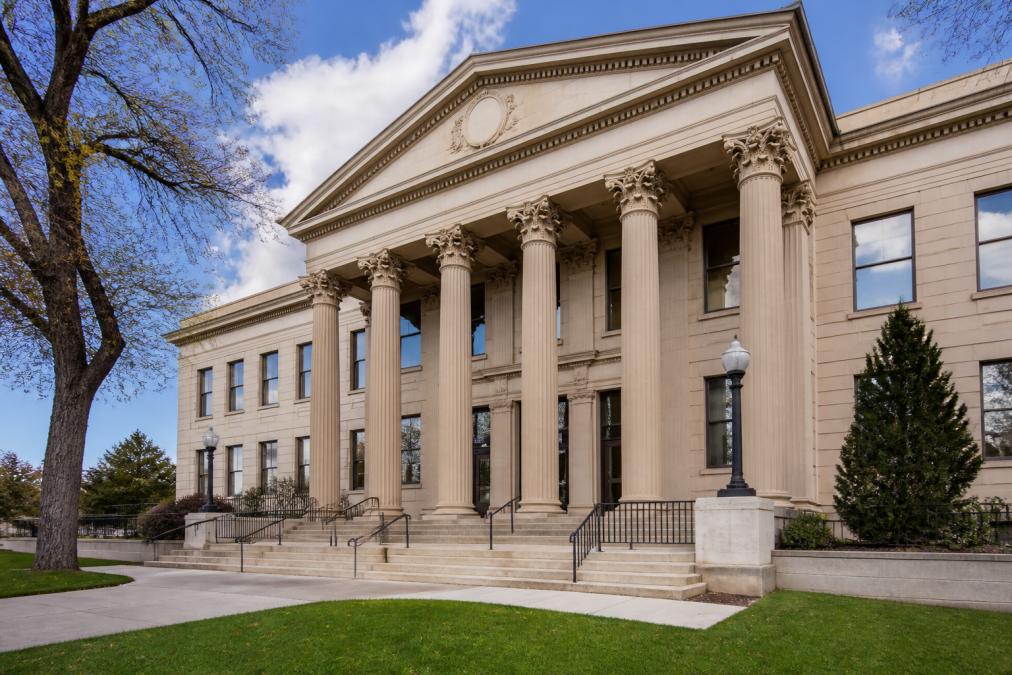
Weld County Court is the judicial district court serving Greeley and Northern Colorado, handling misdemeanor filings through complex felony proceedings. The single most common source of stress isn't the legal proceedings themselves, it's not knowing where to go, who to talk to, or what to bring. This guide eliminates that uncertainty.
Table of Contents
- Weld County Court: Location, Hours, and Contact Information
- Your Step-by-Step Arrival Guide to Weld County Court
- Weld County Court Docket Search: Finding Your Case and Hearing Date
- Self-Help Center Services and Filing Rules
- Weld County Court Appearance Requirements
- How to Prepare for a Court Hearing in Colorado
- When to Stop Going It Alone in Weld County Court
- Conclusion
Last Updated: August 21, 2026
Weld County Court: Location, Hours, and Contact Information
Courthouse Address and Operating Hours
The Weld County Justice Center is located at 901 9th Avenue, Greeley, Colorado 80631. This is the primary venue for district court, county court, and most criminal and family law proceedings.
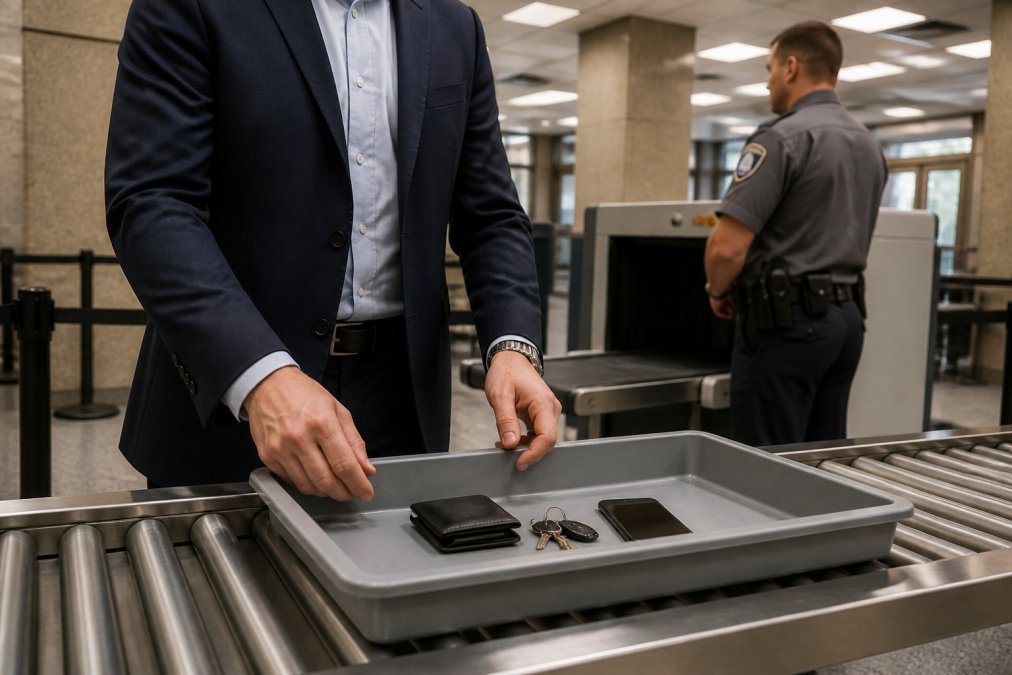
General operating hours for the clerk of court and administrative offices run Monday through Friday, 8:00 a.m. to 5:00 p.m. The courthouse is closed on federal and state holidays. Plan to arrive at least 30 minutes before your hearing time; security screening adds time that most first-time litigants underestimate.
Key Phone Numbers and the Clerk of Court
The clerk of court is your first point of contact for case numbers, filing deadlines, legal forms, and fee schedules. For the Weld County District Court, the main clerk's line can be reached through the Colorado Judicial Branch directory. The Colorado Judicial Branch official court directory lists current contact numbers for each division, including family law and criminal divisions.
Keep your case number accessible every time you call; having that number ready cuts your wait time significantly.
Your Step-by-Step Arrival Guide to Weld County Court
Most people who struggle on their first courthouse visit show up on time for their hearing but late for the building. Security, parking, and locating the correct courtroom all take longer than expected.
Step 1: Confirm your courtroom assignment. Check your hearing notice or the court docket the morning of your appearance. Courtroom assignments change.
Step 2: Budget extra time. Plan to arrive 30-45 minutes before your scheduled hearing to account for parking, security screening, and locating the correct floor or courtroom.
Step 3: Dress appropriately. Business casual at minimum. Avoid hats, shorts, or clothing with offensive graphics. Judges notice.
Step 4: Bring your documents. Carry your hearing notice, any filed legal forms, a valid ID, and your case number written down. Do not rely solely on your phone.
Step 5: Check in with the clerk. Upon entering the courtroom, let the clerk know you are present. Failure to check in can result in your case being called without you.
Security Screening: What to Expect at the Entrance
Security screening at the Weld County Justice Center follows standard courthouse protocols. All visitors pass through a metal detector, and bags go through an X-ray machine.
Items that will be confiscated:
- Pocket knives and multi-tools
- Firearms (even with a concealed carry permit)
- Pepper spray or mace
- Large scissors or box cutters
Attempting to bring prohibited items through security is a criminal offense in Colorado. Phones are generally permitted but must be silenced before entering any courtroom. Photography inside the courthouse is prohibited without specific judicial authorization.
Parking, Public Transit, and ADA Accessibility
Paid public parking is available in the lot adjacent to the Justice Center on 9th Avenue and in surrounding municipal lots. Arrive early, as parking fills quickly on busy docket days.
For public transportation, Greeley's bus routes serve the downtown corridor near the courthouse. The Greeley-Evans Transit route information provides current schedules and stop locations.
The Weld County Justice Center provides accessible entrances, elevators to all floors, and accessible restrooms. If you require specific accommodations, including an interpreter or assistive devices, contact the administrative office in advance.
Weld County Court Docket Search: Finding Your Case and Hearing Date
The Weld County court docket search is the fastest way to confirm your hearing date, check case status, and verify that filings have been processed correctly. The Colorado Judicial Branch maintains an online case management portal where any member of the public can search active cases by name or case number.
To run a docket search, visit the Colorado Courts case search portal and enter your case number or the name of the litigant. Results will show the case type, next hearing date, presiding judge, and a summary of filed documents.
Clerks process filings in batches, and there can be a lag between a document being submitted and it appearing in the system. If something looks wrong, call the clerk of court directly rather than waiting.
Self-Help Center Services and Filing Rules
What the Self-Help Center Can and Cannot Do
The Weld County Self-Help Center assists pro se litigants, people representing themselves without an attorney, with navigating court procedures and accessing legal forms.
What the self-help center can do:
- Provide standardized legal forms for common filings (divorce, custody modifications, protection orders)
- Explain court procedures and filing requirements
- Direct you to relevant court rules and local administrative orders
- Help you understand your hearing schedule and what to expect procedurally
What the self-help center cannot do:
- Give you legal advice or tell you what to argue
- Review your documents for legal sufficiency
- Represent you in any proceeding
- Predict outcomes or advise on strategy
Staff are trained to help you file correctly, not to help you win. For anything involving criminal charges, DUI proceedings, or contested custody matters, the self-help center is a starting point, not a substitute for counsel.
Filing Fees, Legal Forms, and Court Procedures
Court fees in Colorado vary by case type and are set by the Colorado General Assembly. Filing fees for civil matters, family law petitions, and small claims are listed on the Colorado Judicial Branch filing fee schedule.
For criminal cases, defendants do not pay filing fees. However, court costs, fines, and surcharges can be assessed upon conviction or as part of a plea agreement. Legal forms for most standard proceedings are available through the Colorado Judicial Branch website. Ensure you are using the most current version of any form.
Weld County Court Appearance Requirements
Appearing in court is not optional. Failure to appear on a scheduled date results in a bench warrant for your arrest in Colorado. If you cannot make a scheduled appearance, your attorney must file a motion for continuance before the hearing date.
Virtual vs. In-Person Hearings
Colorado courts expanded remote hearing options, and Weld County court now accommodates virtual appearances for certain proceeding types.
Hearings that may be conducted virtually:
- Status conferences and scheduling hearings
- Some pre-trial motions
- Certain civil case management conferences
Hearings that typically require in-person appearance:
- Jury trials
- Preliminary hearings in felony cases
- Sentencing hearings
- Contested custody and divorce hearings involving witness testimony
The presiding judge has broad discretion over whether to allow virtual participation. Do not assume a hearing can be attended remotely without explicit judicial authorization. Showing up via video link to a hearing that required in-person attendance is treated the same as a failure to appear.
How to Prepare for a Court Hearing in Colorado
Preparation for a court hearing in Colorado starts well before the day of the proceeding.
| Preparation Task | When to Complete | Who Is Responsible |
|---|---|---|
| Confirm hearing date and courtroom | Day before hearing | Litigant or attorney |
| Gather all relevant documents | 1 week before | Litigant with attorney |
| Review charges or claims | 2+ weeks before | Attorney with litigant |
| Arrange witnesses or evidence | 2+ weeks before | Attorney |
| Arrange transportation and parking | Day before | Litigant |
| Dress appropriately | Morning of hearing | Litigant |
Divorce, Custody, and Family Law Proceedings
Family law proceedings in Weld County follow Colorado's statutory framework under Title 14 of the Colorado Revised Statutes. Divorce filings require a mandatory 91-day waiting period from the date of service before a decree can be entered. Custody matters are decided based on the best interests of the child standard.
Contested custody cases typically involve multiple hearings: an initial status conference, potentially a temporary orders hearing, and a final orders hearing. Each requires preparation, documentation, and often witness testimony. Contested family law matters are among the most consequential proceedings a person will face.
Criminal Cases: DUI, Drug, and Felony Charges
Criminal proceedings in Weld County move through a defined sequence: arrest, advisement, preliminary hearing (for felonies), arraignment, pre-trial motions, and trial or plea.
For DUI charges, the timeline is compressed and runs parallel to a separate DMV administrative proceeding affecting your driver's license. Missing the DMV hearing deadline can result in automatic license revocation.
Drug charges in Colorado carry consequences that vary dramatically based on the amount, substance, and circumstances. Felony drug cases trigger mandatory minimum sentencing guidelines that judges have limited discretion to deviate from.
When to Stop Going It Alone in Weld County Court
The pro se path is legitimate for some matters. For others, it is a serious mistake.
Stop representing yourself when:
- You are facing any criminal charge that carries potential jail or prison time
- A DUI charge threatens your professional license or CDL
- A custody dispute involves allegations of abuse, neglect, or substance issues
- The opposing party has legal representation and you do not
- You have been charged with a felony of any class
The gap between what a self-represented defendant can do and what an experienced trial attorney can do is not a gap in paperwork, it's a gap in outcomes. Knowing which motions to file, which arguments to make before a particular judge, and when to push versus when to negotiate requires years of courtroom experience.
The Law Offices of Robert E. Ray has practiced criminal defense since 1975. The firm offers bilingual services for Spanish-speaking clients and handles DUI, drug, white-collar, and felony charges throughout Northern Colorado. If you are facing charges and wondering whether you need representation, the answer is almost certainly yes.
Facing criminal charges without experienced representation in Weld County court is one of the most consequential risks a person can take. The Law Offices of Robert E. Ray brings decades of courtroom experience, deep familiarity with the local judicial district, and a proven record of achieving results for clients facing serious allegations. Whether you are dealing with a DUI, drug charge, or felony case, skilled advocacy from the outset protects your rights and your future. Contact us today to discuss your case.
Frequently Asked Questions
Where is the Weld County Courthouse located?
The Weld County Courthouse is located in Greeley, Colorado. The complex includes both the district court and county court for the 19th Judicial District. Before your court date, confirm the specific building for your hearing by checking your case paperwork or calling the clerk of court directly, since certain proceedings take place in different sections of the justice center campus.
How do I look up a court docket in Weld County?
You can search the Weld County court docket through the Colorado Judicial Branch's online case search tool at courts.state.co.us. Enter your case number or full legal name to pull up your hearing schedule, case status, and filed documents. Public records are generally accessible without creating an account. If you cannot locate your case, call the clerk of court with your case number for direct assistance.
What should I bring to my court appearance in Weld County?
Bring a valid government-issued photo ID, all paperwork related to your case, and any documents your attorney has instructed you to produce. Arrive at least 30 minutes early to clear security screening. Leave prohibited items at home, including weapons, large bags, and food. If your hearing is criminal in nature, your attorney should be present. Dress professionally to show respect for courtroom etiquette and the proceedings.
What are the security procedures at the Weld County Courthouse?
All visitors pass through a metal detector and must place personal items through an X-ray scanner at the courthouse entrance. Security officers are present at all entry points. Prohibited items will not be stored for you and must be returned to your vehicle. Arrive early to account for screening wait times, especially on busy court days. Courtroom etiquette rules apply once inside, including silencing all mobile devices before entering any hearing room.
This article was written using GrandRanker