
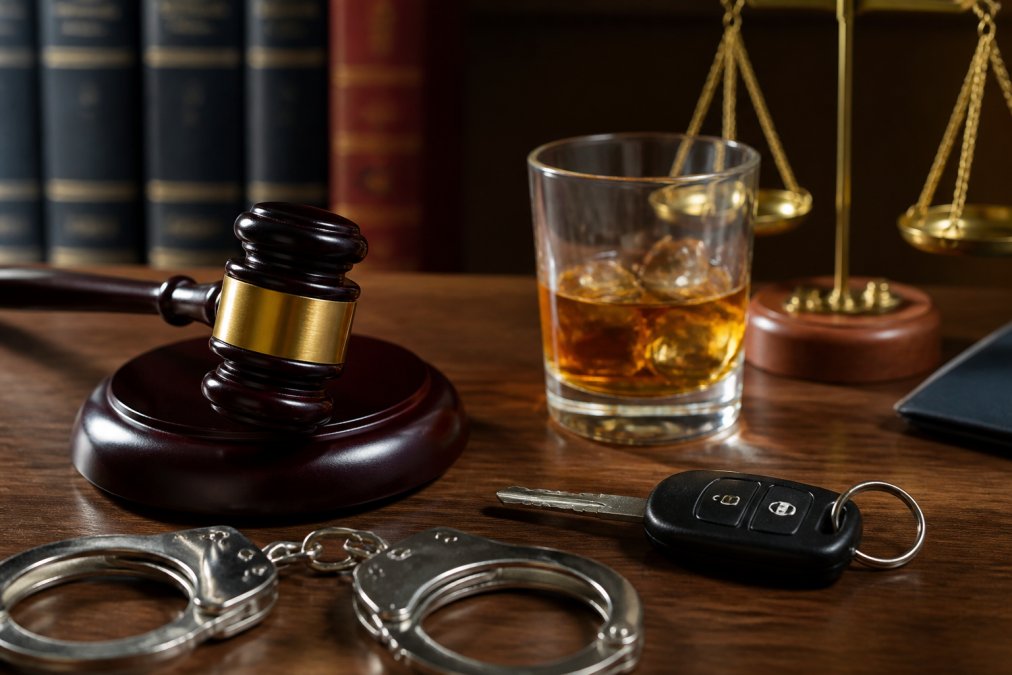
The strongest DUI defense strategies often begin before the engine turns off. If law enforcement lacked reasonable suspicion to pull you over, everything that follows can be challenged.
Table of Contents
- Strategy 1: Challenge the Legality of the Traffic Stop
- Strategy 2: Challenging Field Sobriety Test Results
- Strategy 3: Attack Breathalyzer and Blood Test Accuracy
- Strategy 4: Suppress Evidence from Constitutional Violations
- Strategy 5: How to Prepare for a Colorado DMV Administrative Hearing
- Understanding First-Time DUI Penalties in Colorado
- Frequently Asked Questions
Last Updated: September 15, 2026
Strategy 1: Challenge the Legality of the Traffic Stop
Reasonable suspicion is the legal standard that requires an officer to point to specific, articulable facts suggesting criminal activity before initiating a traffic stop. A hunch is not enough. Weaving across lanes, a broken taillight, or speeding can justify a stop. A gut feeling cannot.
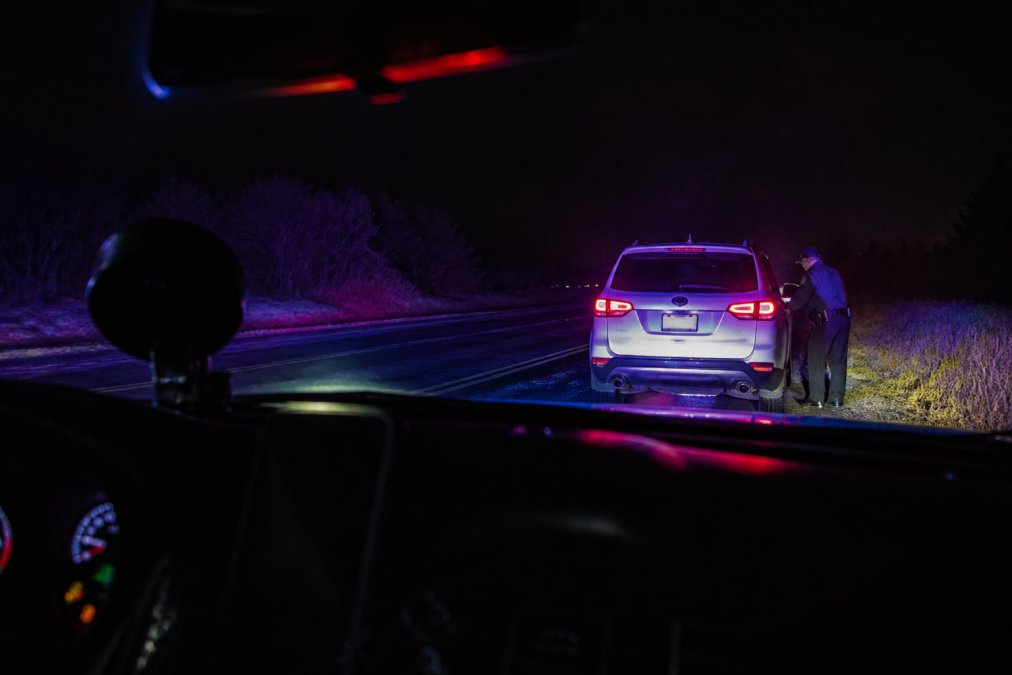
What Constitutes Reasonable Suspicion?
Courts require officers to articulate specific facts, not vague impressions. If the arrest report says only that you "appeared suspicious," that language may not survive a motion to suppress. Under the Fourth Amendment standards outlined by the Legal Information Institute, any evidence obtained from an unlawful stop can be excluded from trial.
Using Dashcam and Bodycam Footage
Dashcam footage and bodycam recordings are powerful tools for challenging a stop's legality. These recordings frequently contradict written police reports. An officer may claim erratic driving, but the video shows steady lane maintenance. Requesting this footage early is critical because departments often overwrite recordings after a set retention period.
Strategy 2: Challenging Field Sobriety Test Results
Field sobriety tests are not pass-or-fail measurements. They are subjective assessments administered under imperfect conditions, and they produce false positives regularly.
Three standardized tests dominate DUI investigations: the walk-and-turn, the one-leg stand, and the horizontal gaze nystagmus test (nhtsa.gov). Each has documented flaws that a skilled defense attorney can expose.
Common Flaws in the Walk-and-Turn and One-Leg Stand
Both tests require physical coordination that many people lack even when completely sober. Roadside conditions matter too. Uneven pavement, poor lighting, and cold weather all affect performance. Officers also vary in how they demonstrate and score the tests, which introduces inconsistency that challenges field sobriety test results.
Horizontal Gaze Nystagmus and Medical Conditions
Nystagmus is an involuntary jerking of the eyes that officers look for during the HGN test. The problem? Certain medical conditions produce the same jerking motion. Inner ear disorders, neurological conditions, and even some prescription medications can cause nystagmus unrelated to alcohol. If you have a documented medical history, that becomes a central pillar of your defense.
Strategy 3: Attack Breathalyzer and Blood Test Accuracy
Breathalyzer and blood test results look scientific, but they depend on equipment that requires rigorous maintenance and proper handling. When calibration or chain of custody breaks down, the results become vulnerable.
Calibration Logs and Chain of Custody
Every breath testing device must be calibrated regularly, and the calibration logs are discoverable evidence. If the machine was overdue for maintenance or failed a recent accuracy check, the reading is questionable. For blood tests, the sample must move through a documented chain of custody from collection to lab analysis. Any gap in that chain opens the door to suppression.
Rising Blood Alcohol Concentration Defense
Rising blood alcohol is a defense that challenges timing. Your blood alcohol concentration at the moment of testing may be higher than it was when you were actually driving. Alcohol continues absorbing into the bloodstream for a period after your last drink. If you consumed alcohol shortly before driving and were tested later, the prosecution's number may not reflect your condition behind the wheel.
Strategy 4: Suppress Evidence from Constitutional Violations
When police violate your constitutional rights, the remedy is suppression of evidence. This is one of the most consequential DUI defense strategies because it can dismantle the prosecution's case before trial.
Miranda rights apply when you are in custody and subject to interrogation. If officers questioned you without reading those rights, your statements may be inadmissible. Due process violations, including coerced confessions or denied access to counsel, also support suppression motions.
Search and seizure rules matter too. Warrantless blood draws, illegal vehicle searches, and improper arrest procedure all create grounds to exclude evidence. A suppression motion forces the judge to evaluate whether law enforcement followed statutory compliance requirements.
Strategy 5: How to Prepare for a Colorado DMV Administrative Hearing
A DUI arrest triggers two separate proceedings: the criminal case and the administrative license action. The DMV hearing is separate from criminal court, and missing it can cost you your license regardless of what happens in your criminal case.
To prepare for a Colorado DMV administrative hearing, you must request the hearing within the deadline stated on your notice, gather your driving record and arrest documentation, and prepare to challenge the license suspension independently of the criminal charges. The hearing officer decides only whether the state has grounds to suspend your license, not whether you are guilty.
Key Differences Between DMV and Criminal Court
| Feature | DMV Administrative Hearing | Criminal Court |
|---|---|---|
| Purpose | License suspension review | Guilt or innocence |
| Burden of proof | Lower standard | Beyond reasonable doubt |
| Decision-maker | Hearing officer | Judge or jury |
| Outcome | License action | Criminal penalties |
| Right to counsel | Limited | Full |
Understanding First-Time DUI Penalties in Colorado
First-time DUI penalties in Colorado can include jail time, fines, license suspension, mandatory education, and ignition interlock requirements. The specific consequences depend on your blood alcohol concentration, whether there was an accident, and whether aggravating factors apply.
Colorado treats DUI and DWDI differently in terminology. A DUI charge applies when a driver's ability is substantially impaired, while a DWAI applies at a lower impairment threshold. Understanding which charge you face shapes your entire legal defense strategy.
Penalties can escalate quickly. A high BAC reading, a prior record, or a refusal to test can push consequences beyond what a first offense typically carries. Mitigation evidence, including treatment records and character references, can influence sentencing outcomes. In some cases, a diversion program may be available depending on jurisdiction and prosecutorial discretion.
Facing a DUI charge means fighting on two fronts at once: the criminal case and the administrative license action. At the Law Offices of Robert E. Ray, we have defended clients in Weld County courts since 1975, and we know how to challenge traffic stops, test results, and constitutional violations before they solidify into convictions. Our firm offers bilingual services, decades of courtroom experience, and a reputation for aggressive advocacy. Contact us to discuss your case and build a defense strategy that protects your future.
Frequently Asked Questions
What is the best defense against a DUI?
There is no single best defense; it depends on the facts of your case. Common DUI defense strategies include challenging the legality of the traffic stop, questioning the accuracy of field sobriety tests, and attacking the calibration of breath or blood tests. An experienced attorney will evaluate which strategy fits your situation. For example, if the officer lacked reasonable suspicion to stop you, any evidence gathered afterward may be suppressed.
How often does a DUI case get dismissed?
Dismissal rates vary widely by jurisdiction and case specifics. Some cases are dismissed due to procedural errors, lack of probable cause, or problems with evidence. However, many cases result in plea bargains or convictions. In Colorado, a skilled defense can identify weaknesses that lead to reduced charges or dismissal. For instance, if a breathalyzer was not properly calibrated, the results may be inadmissible.
What makes a DUI case weak?
A DUI case can be weak if the traffic stop was unlawful, if field sobriety tests were improperly administered, if breath or blood samples were mishandled, or if your constitutional rights were violated. For example, if the officer did not have reasonable suspicion to pull you over, the entire case may fall apart. Similarly, if the breathalyzer was not calibrated according to state standards, the results may be challenged.
Can a DUI charge be dismissed in Colorado?
Yes, a DUI charge can be dismissed in Colorado, though it is not guaranteed. Dismissals often occur when evidence is suppressed due to illegal stops, faulty testing, or violations of your rights. For instance, if the arresting officer failed to read your Miranda rights before interrogation, statements may be excluded. An attorney can file motions to suppress evidence, which may lead to dismissal if the prosecution's case weakens.
How does the DMV administrative hearing differ from a criminal DUI trial?
A DMV administrative hearing addresses your driver's license suspension and is separate from the criminal case. It is held before a hearing officer, not a judge, and has different rules of evidence. In Colorado, you must request this hearing within a short timeframe after your arrest. The criminal trial, on the other hand, determines guilt and can result in jail time, fines, and a criminal record. Both require separate defense strategies.





