
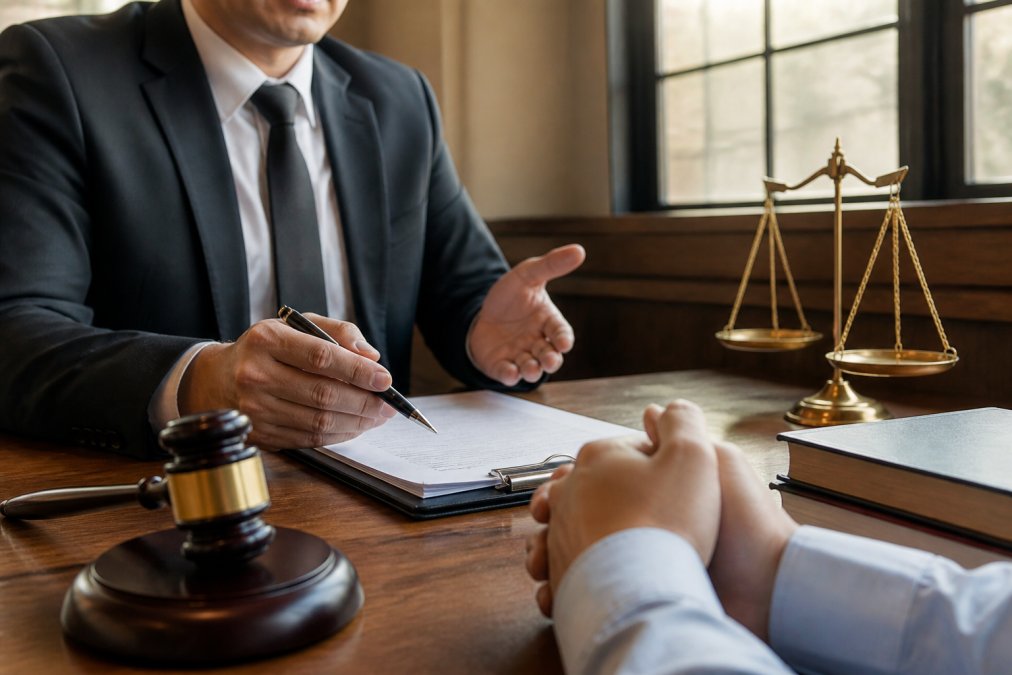
Serious criminal charges carry penalties that reshape lives through incarceration, career damage, and permanent reputation harm. The stakes demand expert legal defense, not generic strategy. The Law Offices of Robert E. Ray has spent over 50 years defending clients against serious criminal charges in Northern Colorado. Early decisions made in the first weeks after arrest determine the trajectory of everything that follows. Expert legal defense means understanding the prosecution's burden of proof and attacking it relentlessly, knowing when to fight pretrial motions, and having the courtroom experience to cross-examine expert witnesses and expose weaknesses that less experienced attorneys miss.
Table of Contents
- Why Expert Legal Defense Matters in Serious Criminal Cases
- Felony Defense Strategies That Protect Your Future
- The Role of Expert Witnesses in Criminal Cases
- Constitutional Rights in Criminal Proceedings
- Early Legal Intervention and Case Evaluation
- Navigating Plea Negotiations and Trial Advocacy
- Post-Conviction Relief and Appellate Options
- Protecting Your Reputation and Future Outcomes
- Frequently Asked Questions
Last Updated: August 31, 2026
Why Expert Legal Defense Matters in Serious Criminal Cases
Felony Defense Strategies That Protect Your Future
A felony charge is fundamentally different from a misdemeanor. The severity of potential penalties requires a defense strategy built specifically for serious charges. The foundation of any felony defense is understanding exactly what the prosecution must prove. The burden of proof is "beyond a reasonable doubt," which in practice is far more vulnerable than most people realize (justice.gov). Reasonable doubt doesn't mean proving innocence; it means creating legitimate uncertainty about guilt.
Felony defense strategies typically center on attacking the evidence itself, challenging how evidence was obtained, undermining witness credibility, or presenting a competing narrative more persuasive than the prosecution's theory.
Challenging Prosecution Evidence Early
The most critical moment in a felony case often comes before trial. This is when your attorney challenges whether the evidence the prosecution plans to use was legally obtained and admissible in court.
Evidence suppression is one of the most powerful tools in criminal defense. If your attorney demonstrates that police violated your constitutional rights in obtaining evidence through unlawful search, illegal interrogation, or violation of your right to counsel, that evidence can be excluded from trial entirely. When the prosecution's strongest evidence disappears, the entire case often collapses.
Police conduct during arrest and investigation is heavily regulated. A skilled criminal defense attorney knows the specific legal standards governing searches, seizures, and interrogations, and how to identify violations and file motions to exclude evidence. Forensic analysis can be challenged on methodology, chain of custody, or examiner qualifications. Witness statements can be undermined through cross-examination or by showing bias and inconsistency. Digital evidence can be challenged on collection, preservation, and authentication.
Pretrial Motions and Discovery
The discovery process is where your attorney obtains copies of the evidence against you. Prosecutors are legally required to disclose evidence, including evidence that helps your defense. Pretrial motions challenge whether the prosecution has enough evidence to proceed, challenge specific evidence or procedures, or narrow the scope of what the prosecution can present at trial.
An experienced criminal defense attorney files pretrial motions strategically. Not every possible motion is worth filing; the skilled approach is selective, filing motions with the highest likelihood of success and greatest impact on the case. This requires knowing which judges grant which types of motions and which evidence is most vulnerable to challenge.
The Role of Expert Witnesses in Criminal Cases
Expert witnesses are often the deciding factor in serious criminal cases. When forensic evidence, digital analysis, or medical findings are central to the prosecution's case, the credibility and persuasiveness of the expert explaining that evidence can determine the verdict. Expert legal defense means understanding how to challenge the prosecution's experts and present your own evidence through credible specialists.
Expert Testimony and Jury Perception
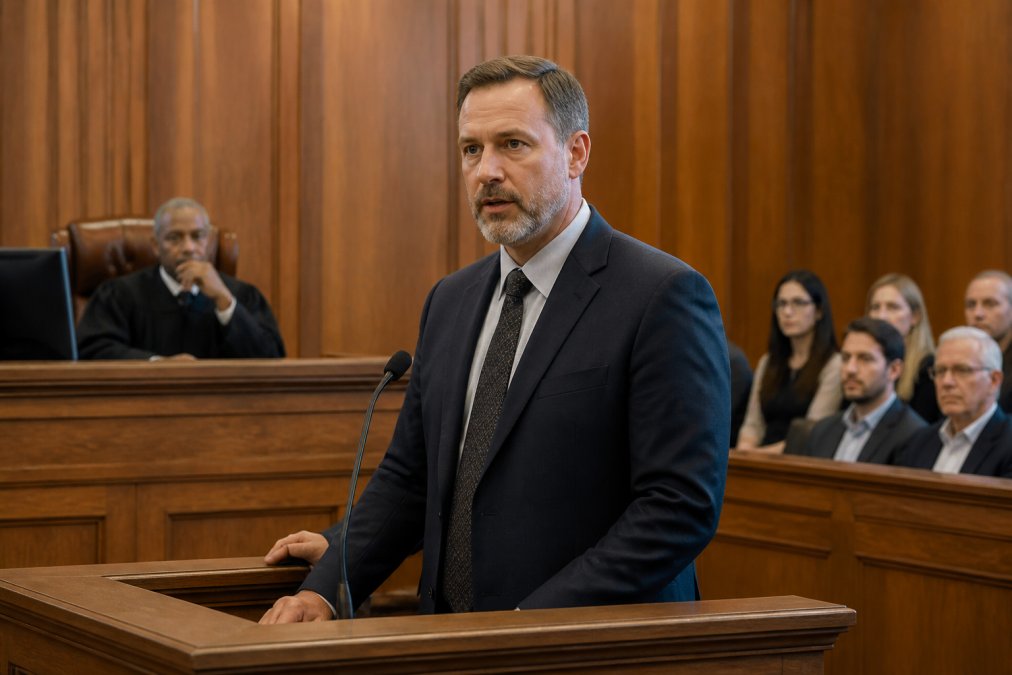
Juries are composed of ordinary people, not scientists. When an expert witness takes the stand, the jury's decision often hinges on whether they find the expert credible and trustworthy. A prosecution expert might present technically sound evidence in a confusing or unconvincing way. Skilled cross-examination can expose gaps in methodology, highlight alternative explanations, or demonstrate that conclusions exceed what the data supports. Defense experts present evidence supporting your theory of the case, but their value depends entirely on jury credibility and how well they communicate.
Forensic Analysis and Digital Evidence
Forensic evidence carries enormous weight with juries because it seems objective and scientific. But forensic analysis is far more subjective than most people realize. Different examiners can reach different conclusions from the same evidence. Standards for what constitutes a "match" are sometimes loose, and chain of custody can be compromised.
Digital evidence presents similar challenges. Cell phone records, GPS data, social media activity, and computer files are increasingly central to criminal cases but are easy to misinterpret and vulnerable to manipulation. An expert legal defense includes hiring your own forensic experts to review the prosecution's analysis and identify weaknesses, question examiner qualifications, or present competing interpretations of the same evidence.
Constitutional Rights in Criminal Proceedings
Your constitutional rights are the foundation of your defense. When those rights are violated, evidence can be excluded, charges dismissed, and convictions overturned.
Protection Against Unlawful Search and Seizure
The Fourth Amendment protects you against unreasonable searches and seizures. Police generally cannot search your home, vehicle, or person without a warrant or consent. When evidence is obtained through unlawful search or seizure, it's excluded from trial, and often the entire case falls apart.
Many criminal cases begin with a traffic stop or street encounter. If that initial stop was unlawful, if police lacked reasonable suspicion, then everything that followed can be excluded (supremecourt.gov). An experienced criminal defense attorney scrutinizes how the initial contact happened and whether it was constitutionally justified.
Right to Counsel and Attorney-Client Privilege
You have the right to an attorney from the moment of arrest. If police question you without your attorney present after you've invoked your right to counsel, any statements you make are inadmissible (justice.gov). Attorney-client privilege protects your communications with your attorney absolutely. You can tell your attorney anything without worrying it will be used against you. Many defendants damage their own cases by talking to police or other inmates. An experienced criminal defense attorney explains these protections clearly.
Early Legal Intervention and Case Evaluation
The moment you're arrested or charged with a serious crime, your case enters a critical window. Decisions made in the first days and weeks often determine the outcome. Early legal intervention means immediately taking steps to protect your rights and preserve your options.
A thorough case evaluation means reviewing the police report, charges, evidence, and applicable law. It means identifying the prosecution's weaknesses and your strongest defenses, understanding potential penalties and realistic outcomes, and assessing whether evidence is strong or weak. Early intervention also means securing evidence before it disappears and preventing you from making statements that damage your case.
The Law Offices of Robert E. Ray approaches every serious criminal case with a detailed case evaluation identifying your specific risks and opportunities.
Navigating Plea Negotiations and Trial Advocacy
Most serious criminal cases are resolved through plea negotiations, not trials. But you should not accept the first prosecution offer. Plea negotiations are a process where your attorney advocates for the best possible outcome: significantly reduced charges, lighter sentence, or dismissal.

A skilled negotiator understands the prosecution's constraints and which cases prosecutors prioritize. They understand the judge's sentencing patterns and whether trial or negotiation is more likely to produce a favorable outcome. Plea negotiations only work if you're also prepared for trial. If the prosecution knows you're ready to take your case to a jury, they're far more willing to negotiate seriously.
Trial advocacy is a specialized skill. It's about understanding how juries think, presenting evidence persuasively, cross-examining witnesses effectively, and telling a coherent story the jury finds more believable than the prosecution's narrative. An experienced trial attorney knows how to select a favorable jury, open and close effectively, and adapt strategy in real time.
Post-Conviction Relief and Appellate Options
A conviction isn't necessarily final. Post-conviction relief and appellate options exist to address serious errors in the trial process, newly discovered evidence, or constitutional violations not corrected at trial.
An appeal challenges whether the trial was conducted fairly and whether the law was applied correctly. Appellate courts review whether legal errors occurred that affected the outcome, including ineffective assistance of counsel, prosecutorial misconduct, judicial error, or insufficient evidence.
Post-conviction relief proceedings address issues that weren't or couldn't have been raised at trial, including newly discovered evidence, claims of actual innocence, or constitutional violations discovered after conviction. These options require an attorney who understands appellate procedure and can identify specific legal issues warranting review.
Protecting Your Reputation and Future Outcomes
A serious criminal conviction affects far more than your immediate freedom. It affects employment, professional licenses, housing options, travel ability, and community reputation. An expert legal defense includes strategy focused on minimizing these collateral consequences through diversion programs, deferred adjudication, expungement, or sentencing mitigation.
The Law Offices of Robert E. Ray understands that serious criminal charges threaten everything you've built. Our approach to expert legal defense includes not just fighting the charges, but protecting your future, career, reputation, freedom, and ability to move forward after the case is resolved.
Facing serious criminal charges is one of the most challenging experiences you'll encounter. The system is complex, the stakes are enormous, and early decisions echo for years. You need an attorney who understands criminal law, has courtroom experience to execute a sophisticated defense, and will fight aggressively for your rights. The Law Offices of Robert E. Ray has been defending clients against serious criminal charges since 1975. We know the Weld County courts, understand the prosecutors you're facing, and have a proven track record of achieving results for clients in desperate situations. Contact us today for a case evaluation, because when your freedom is on the line, you need a defense attorney who knows how to win.
Frequently Asked Questions
What makes expert legal defense critical in serious criminal cases?
Expert legal defense protects your constitutional rights, challenges flawed prosecution evidence, and ensures proper legal procedure throughout your case. Experienced defense attorneys understand how to evaluate the strength of evidence against you, file pretrial motions to suppress inadmissible evidence, and develop a defense theory that creates reasonable doubt. Without skilled representation, you risk harsher penalties, wrongful conviction, or overlooked procedural errors that could have changed your outcome. The stakes in serious crimes are too high to navigate alone.
How do expert witnesses impact criminal trial outcomes?
Expert witness testimony can be decisive in serious criminal cases. Forensic experts can challenge prosecution claims about evidence analysis, medical experts can dispute injury or causation claims, and technology specialists can explain digital evidence. Jury perception is heavily influenced by credible expert testimony that supports your defense theory. Cross-examination of prosecution experts also creates opportunities to expose weaknesses in their case. The right expert witnesses establish reasonable doubt and demonstrate to the jury that the prosecution's version of events is not the only logical conclusion.
What constitutional rights protect defendants during criminal investigation and trial?
Your constitutional rights include protection against unlawful search and seizure under the Fourth Amendment, the right to counsel under the Sixth Amendment, and due process protections under the Fifth and Fourteenth Amendments. These rights protect you from self-incrimination, ensure you have legal representation, and require the prosecution to prove guilt beyond a reasonable doubt. Attorney-client privilege protects confidential communications with your lawyer. Violations of these rights can result in suppression of evidence or case dismissal. A skilled defense attorney ensures these protections are enforced throughout your proceedings.
What should I expect during early legal intervention and case evaluation?
Early legal intervention means consulting with a defense attorney immediately after arrest or when you learn of charges. During case evaluation, your attorney reviews all available evidence, police reports, witness statements, and forensic analysis to assess prosecution strength. They identify potential weaknesses, constitutional violations, or procedural errors. This early assessment determines whether to pursue pretrial motions, negotiate a favorable plea, or prepare for trial. Early intervention also prevents you from making statements that could harm your defense and ensures you understand your rights and options before taking any action.
This article was written using GrandRanker