
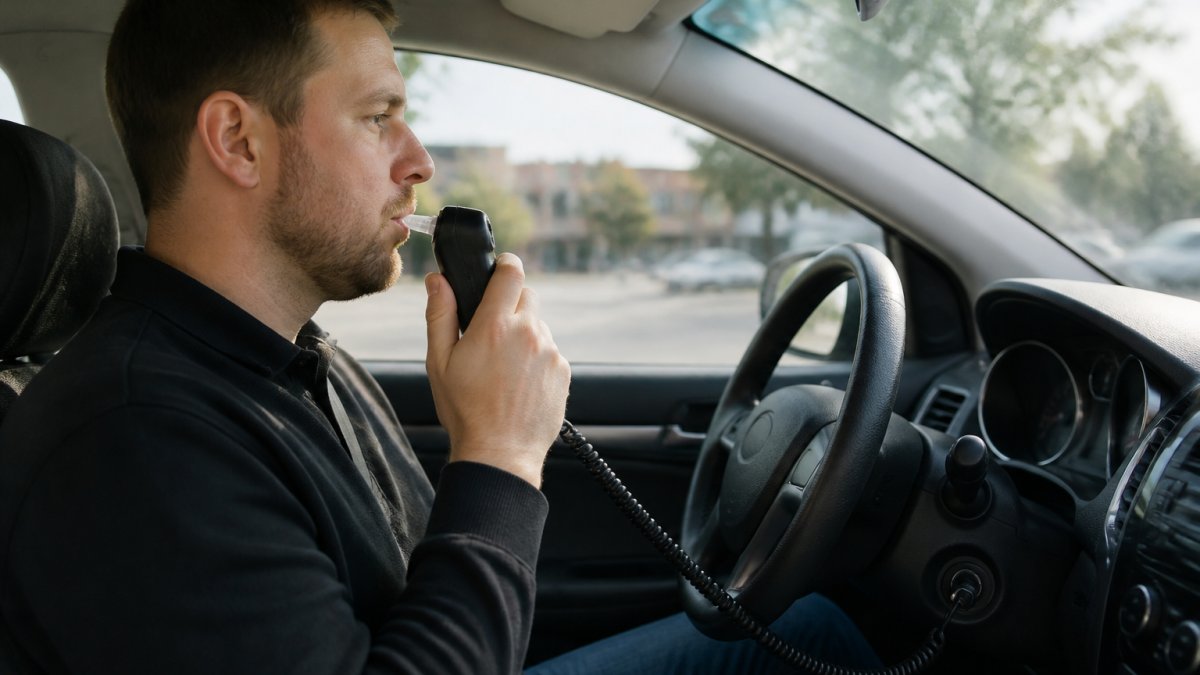
Colorado's approach to DUI enforcement changed significantly in 2026. House Bill 26-1242 introduced mandatory ignition interlock requirements that affect how drivers regain their licenses after DUI convictions. The law tightens restrictions on repeat offenders and creates new timelines for license reinstatement.
Table of Contents
- Understanding Colorado's 2026 DUI Ignition Interlock Law
- How Ignition Interlock Device Requirements Apply to Your Case
- Driver License Suspension vs. Interlock Restraint Period
- Colorado DMV Administrative Hearing Process
- Step-by-Step Installation and Compliance Monitoring
- Ignition Interlock Device Cost in Colorado and Financial Assistance
- Early Reinstatement and Restricted License Options
- Interstate Implications and Out-of-State Driving
- Frequently Asked Questions
Last Updated: October 3, 2026
Understanding Colorado's 2026 DUI Ignition Interlock Law
Understanding the ignition interlock Colorado timeline is essential if you're facing DUI charges or have already been convicted. The consequences are real, but the path forward exists.
The 2026 legislation focuses on three key changes. First, it expanded the definition of persistent drunk driver status. Second, it created different interlock periods based on offense history. Third, it established clearer pathways for early reinstatement if you meet specific conditions.
These changes mean your timeline depends on several factors:
- Whether this is your first DUI or a repeat offense
- Your blood alcohol content at the time of arrest
- Whether you qualify for early reinstatement
- How quickly you complete required steps
The law applies to all Colorado drivers. Ignoring these requirements extends your suspension and creates additional legal problems.
How Ignition Interlock Device Requirements Apply to Your Case
An ignition interlock device is a breath-testing instrument installed in your vehicle that prevents the engine from starting if it detects alcohol on your breath. The device measures your blood alcohol content before each drive.
Not every DUI conviction requires an interlock. The requirement depends on your specific circumstances. First-time offenders with lower BAC levels may avoid interlock requirements entirely. Repeat offenders almost always face mandatory installation.
First-Time Offender vs. Persistent Drunk Driver Designation
Your offense history determines your interlock requirement. Colorado law distinguishes between first-time offenders and persistent drunk drivers, and this distinction shapes your entire timeline.
A first-time DUI offender may avoid interlock requirements if your BAC was below a certain threshold. However, if your BAC was significantly elevated or you refused a breath test, interlock becomes mandatory. The law presumes you're a first-time offender if you have no prior DUI convictions within the past 10 years.
Persistent drunk driver designation carries harsher penalties. You receive this designation if you have two or more DUI convictions within 10 years, or three or more within 20 years. Once designated as a persistent drunk driver, interlock installation is mandatory for a longer period. The restraint period extends significantly compared to first-time offenders.
The practical difference is substantial:
- First-time offenders: interlock period typically 12 months
- Persistent drunk drivers: interlock period typically 24-48 months
- Enhanced penalties apply to persistent drunk drivers
- Your driving privileges become more restricted
Understanding which category you fall into requires careful legal analysis.
Driver License Suspension vs. Interlock Restraint Period
These are two separate timelines running simultaneously. Your driver license suspension and your ignition interlock restraint period do not always align, and understanding the difference is crucial.
Your driver license suspension is the period during which you cannot legally drive at all. This suspension begins immediately after arrest or conviction, depending on the circumstances. The administrative hearing process can affect this timeline.
The ignition interlock restraint period begins when you install the device and ends when you remove it. This period is longer than your suspension period in most cases. Even after your suspension ends and you regain driving privileges, you remain subject to the interlock requirement.
Here's how the timeline typically works:
| Phase | Duration | What Happens |
|---|---|---|
| Immediate suspension | Begins at arrest | No driving allowed; administrative hearing possible |
| License revocation | 1 month to 1 year | Formal revocation after conviction |
| Interlock restraint | 12-48 months | Device installed; restricted driving allowed |
| Full reinstatement | After interlock removal | Complete driving privileges restored |
The suspension period is absolute. You cannot legally drive. Violating this suspension adds criminal charges and extends your timeline.
The interlock restraint period allows limited driving. You can drive to work, school, medical appointments, and court-ordered programs. You cannot drive for pleasure or social purposes. Any violation of these restrictions has serious consequences.
Early reinstatement can shorten your suspension, but the interlock period remains mandatory. This is a critical distinction that many drivers misunderstand.
Colorado DMV Administrative Hearing Process
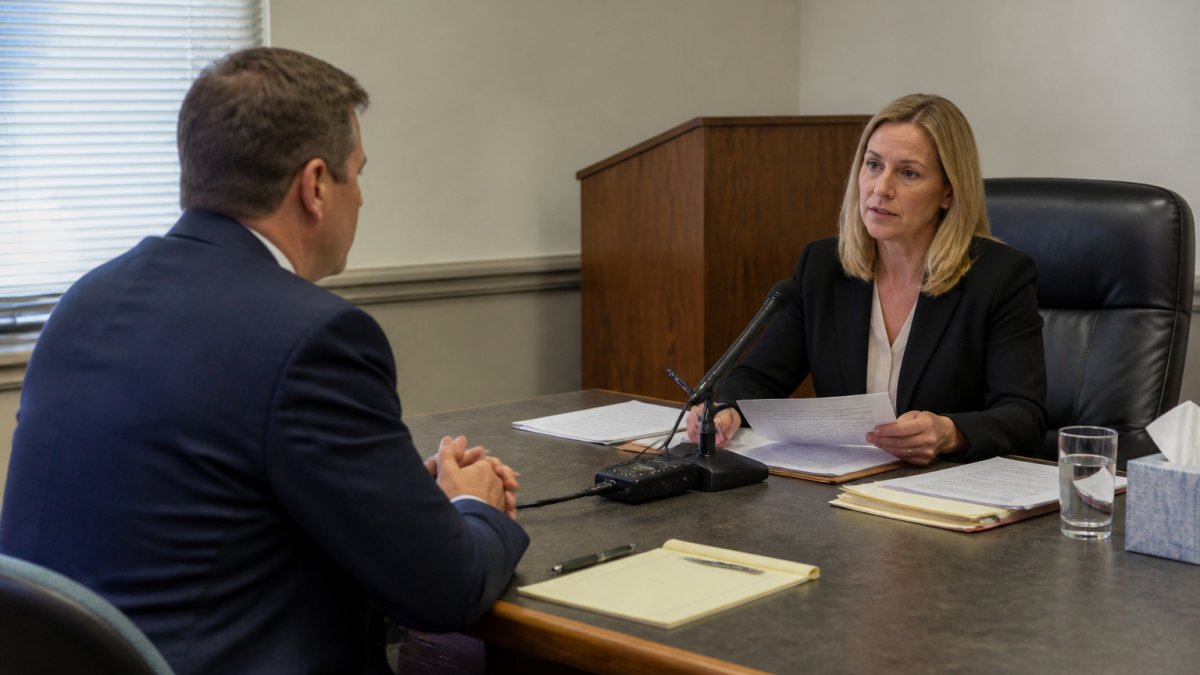
An administrative hearing is your chance to challenge the license suspension before it becomes final. This hearing happens separately from your criminal DUI case. The Colorado DMV administrative hearing process has strict timelines and specific requirements.
You have seven days from your arrest to request a hearing. Missing this deadline means you lose your right to challenge the suspension.
The hearing addresses limited issues:
- Whether the officer had reasonable grounds to believe you were driving impaired
- Whether you were properly advised of your rights
- Whether the test results are reliable
- Whether you refused testing
Your hearing decision comes within 30 days in most cases. If the hearing officer sustains the suspension, your license revocation becomes effective. If the officer finds problems with the arrest, your suspension may be invalidated.
This hearing is not about guilt or innocence in the criminal case. It focuses solely on whether the administrative suspension was proper. Winning your administrative hearing does not eliminate DUI charges, but it can preserve your driving privileges while your criminal case proceeds.
The DMV administrative hearing process requires careful preparation.
Step-by-Step Installation and Compliance Monitoring
Installing an ignition interlock device is straightforward, but compliance monitoring is ongoing. Understanding each step helps you avoid violations that extend your timeline.
Step one is finding an approved installer. Colorado maintains a list of certified ignition interlock device providers. You must use an approved provider. Installation at an unapproved location does not count toward your requirement.
Step two is scheduling your installation appointment. Most providers can install within one week. Bring your driver's license and proof of insurance. The installation takes approximately one hour.
Step three is the actual installation. The technician mounts the device near your steering column. The device becomes operational immediately after installation. (Source: National Highway Traffic Safety Administration (NHTSA) data)
Step four is learning to use the device. The technician explains how to provide breath samples. You practice blowing into the breath tube. The device calibrates to your vehicle's specifications.
Step five is compliance monitoring. You must provide breath samples before each drive. The device records every sample. Monthly monitoring reports go to the Colorado DMV. Missing appointments or providing positive samples creates violations.
Installation Certificate and Calibration Requirements
Your installation certificate proves you completed the requirement. The provider issues this certificate immediately after installation. You must keep this certificate available for law enforcement.
Calibration is the process of ensuring the device functions accurately. Colorado requires calibration every 60 days. Missing a calibration appointment counts as a violation. Plan ahead to avoid missing these appointments.
The device requires regular maintenance. Batteries need replacement. Connections need checking. The provider handles all maintenance. You pay a monthly fee covering installation, monitoring, and maintenance.
Troubleshooting False Positives and Violations
False positives happen. Mouthwash, energy drinks, and certain foods contain alcohol. Your device may register a positive sample even though you haven't consumed alcohol. Understanding how to address false positives protects your record.
If you register a positive sample, do not panic. The device records the time and location. You can explain the circumstances at your next monitoring appointment. Document what you consumed before the test. Keep receipts from products you used.
Repeated positive samples create problems. The DMV receives monthly reports. Too many positives trigger additional requirements. You may need to attend alcohol education programs. Your interlock period may extend.
A violation occurs when you:
- Miss a scheduled monitoring appointment
- Register positive samples repeatedly
- Drive with a disconnected device
- Attempt to tamper with the device
- Drive outside your restricted areas
Violations extend your interlock period. A single violation typically adds three months. Multiple violations can double your remaining time. The consequences accumulate quickly.
If you believe a violation is unjust, request a hearing. Present evidence supporting your position. The DMV reviews your case. Winning an appeal removes the violation from your record.
Ignition Interlock Device Cost in Colorado and Financial Assistance
The cost of an ignition interlock device varies by provider. Installation typically costs between several hundred dollars. Monthly monitoring and maintenance fees range based on your provider. The total annual cost can be substantial.
Many drivers face financial hardship. The costs accumulate when combined with fines, court costs, and attorney fees. Colorado recognizes this burden and offers limited assistance.
Some counties provide fee waivers for low-income drivers. Contact your local court about income-based assistance. Documentation of financial hardship may qualify you for reduced fees.
Payment plans are available from most providers. Ask about spreading your costs across multiple months. This makes the expense more manageable while keeping you compliant.
Early Reinstatement and Restricted License Options
Early reinstatement allows you to regain full driving privileges before your interlock period ends. This option is not available to everyone, but it's worth exploring if you qualify.
To qualify for early reinstatement, you must:
- Complete at least one-third of your interlock period
- Maintain a clean compliance record
- Complete required alcohol education programs
- Pay required fees
- Demonstrate financial responsibility
The one-third rule is strict. If your interlock period is 12 months, you must wait at least four months before requesting early reinstatement. If your period is 24 months, you must wait eight months.
A restricted license allows limited driving during your suspension period. You can drive to work, school, medical appointments, and court-ordered programs. You cannot drive for pleasure. You cannot drive outside your approved areas.
To obtain a restricted license, you must:
- Apply through the Colorado DMV
- Provide proof of employment or school enrollment
- Show proof of insurance
- Pay the restricted license fee
- Install an ignition interlock device
The restricted license process takes approximately two weeks. The DMV reviews your application and approves or denies your request. If approved, you receive your restricted license immediately.
A restricted license does not shorten your interlock period. It simply allows you to drive during your suspension. Your interlock device remains installed and operational.
Interstate Implications and Out-of-State Driving
Driving out of state with an ignition interlock device creates complications. Colorado's requirement does not automatically transfer to other states.
If you travel to another state, you face several problems. Your device may not function properly outside Colorado. Other states may not recognize your interlock requirement.
Driving out of state with an active interlock requirement violates Colorado law. This violation extends your interlock period and creates additional criminal charges. The consequences are severe.
If you must travel, request permission from the Colorado DMV. Explain your travel necessity. The DMV may grant limited exceptions for business travel or family emergencies.
Some states recognize Colorado's interlock requirements. If you relocate, contact the new state's DMV. You may need to transfer your device or install a new one.
Interstate implications extend to your driving record. Other states can access your Colorado DUI conviction. This affects your insurance rates and employment opportunities.
Facing a DUI charge in Colorado requires immediate action. Our decades of courtroom experience in Weld County means we understand how local judges and prosecutors approach these cases.
Frequently Asked Questions
Does a first-time DUI in Colorado require an ignition interlock device?
First-time DUI offenders in Colorado are subject to ignition interlock requirements under HB26-1242. The specific timeline and duration depend on your blood alcohol content (BAC) level at the time of arrest and whether you receive a conviction or negotiated outcome. An attorney can help you understand your obligations and explore options to minimize the interlock period.
How long is the ignition interlock requirement in Colorado?
The length of your ignition interlock restraint period depends on your offense classification and BAC level. First-time offenders typically face different timelines than those designated as persistent drunk drivers (PDD). Early reinstatement eligibility may reduce your total interlock duration. Consult with an attorney to determine your specific timeline and whether you qualify for early reinstatement.
What is the process for obtaining a restricted license with ignition interlock?
To obtain an interlock-restricted license, you must complete the Colorado DMV administrative hearing process, obtain an installation certificate from an approved interlock provider, and maintain compliance with calibration requirements. The administrative hearing determines your eligibility for a restricted license.
What happens if I violate my ignition interlock agreement?
Violations such as failed breath tests, missed calibration appointments, or tampering with the device can result in license suspension extension, additional fines, and potential criminal charges. Breath alcohol concentration readings above the legal threshold trigger violations. If you experience false positives or equipment issues, document everything and contact your attorney immediately to protect your driving privileges.





