
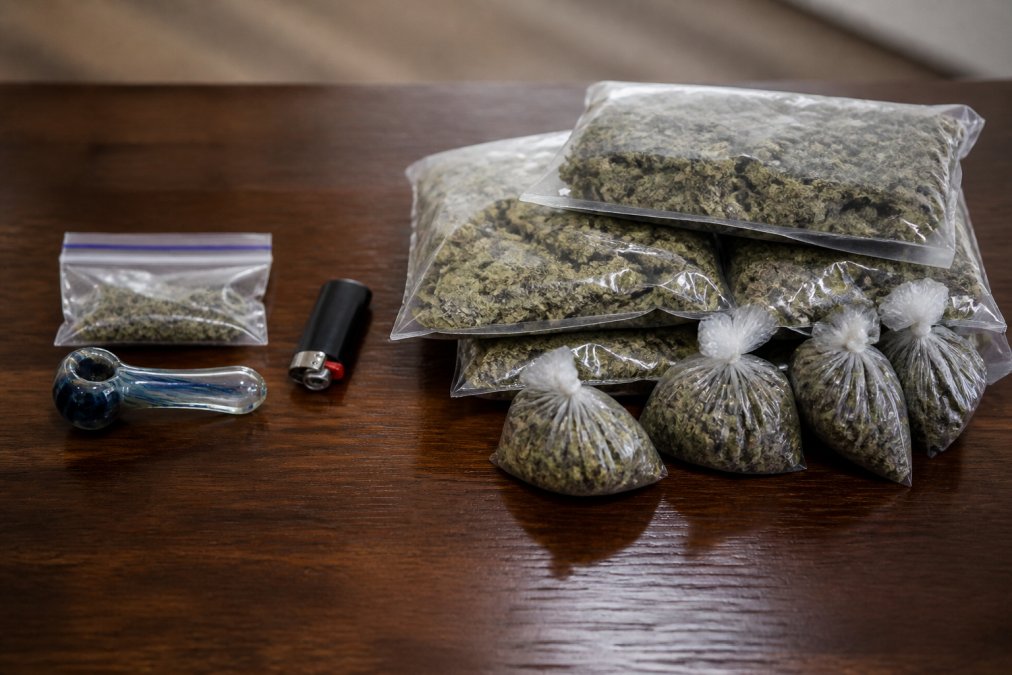
Understanding drug possession vs intent to distribute penalties is critical, as the difference between a simple drug possession charge and an intent to distribute charge can mean the difference between probation and years in prison. Understanding these distinctions matters because prosecutors use specific evidence to prove intent, and the penalties scale dramatically between the two offenses. This guide from Law Offices of Robert E. Ray breaks down how courts classify these charges, what factors prosecutors examine, and how sentencing guidelines differ under Colorado law. (Source: the Controlled Substances Act)
Table of Contents
- Simple Drug Possession vs Intent to Distribute: Core Distinctions
- Factors Indicating Intent to Distribute
- Colorado Drug Possession Penalties and Sentencing
- Penalties for Intent to Distribute Charges
- Defending Against Intent to Distribute Charges
- Collateral Consequences Beyond Criminal Penalties
- Why Professional Legal Representation Matters
- Conclusion
- Frequently Asked Questions
Last Updated: September 25, 2026
Simple Drug Possession vs Intent to Distribute: Core Distinctions
Simple drug possession means you had a controlled substance in your actual or constructive possession for personal use only. Intent to distribute means you possessed drugs with the purpose of selling, transferring, or delivering them to others. The line between these two charges isn't always obvious, and that's where the evidence becomes critical.
Defining Simple Drug Possession
Simple drug possession is the act of knowingly and unlawfully having a controlled substance in your possession. The substance doesn't need to be on your body, it can be in your car, home, or anywhere you exercise control over it. What matters is that you knew it was there and had no intention to sell it.
Colorado law recognizes two forms of possession: actual and constructive. Actual possession means the drug is physically on you. Constructive possession means you have the power and intent to control it, even if it's not in your immediate grasp. Both satisfy the legal definition of possession.
The critical element distinguishing simple possession from distribution is intent. If you possessed the drug solely for your own use, you face a simple possession charge. Many first-time offenders are surprised to learn that simple possession can still result in felony charges depending on the drug schedule and quantity involved.
What Constitutes Intent to Distribute
Intent to distribute requires proof that you possessed the drug with the purpose of delivering, distributing, or selling it. Prosecutors don't need to prove you actually sold anything, only that you intended to. This is where the prosecution's case often hinges on circumstantial evidence and the specific factors they can demonstrate.
The prosecution must establish two elements: possession of a controlled substance and intent to distribute. Intent can be inferred from the totality of circumstances. A single factor rarely proves intent alone, but multiple factors together create a compelling case.
Common indicators prosecutors use include the quantity of the drug, the presence of scales or baggies, cash in small denominations, and communications suggesting sales activity. Digital evidence, text messages, social media posts, or encrypted app conversations, has become increasingly important in proving intent.
Factors Indicating Intent to Distribute
Prosecutors build intent to distribute cases by examining physical evidence, digital communications, and behavioral patterns. No single factor is dispositive, but the combination tells a story that separates casual use from commercial activity.

Drug Weight and Purity Levels
The quantity of drugs found in your possession is one of the first things prosecutors examine. Larger quantities suggest distribution rather than personal use. Colorado courts recognize that possession for personal use typically involves smaller amounts.
The threshold varies by drug type. For cocaine, possessing more than a few grams raises red flags. For methamphetamine, similar logic applies. The purity level also matters, higher purity suggests the drug came from a source rather than being diluted for personal use, which implies the defendant had access to supply.
Prosecutors often compare the quantity found to what an average user would consume in a reasonable timeframe. If you possessed enough to last months, that weight becomes evidence of intent.
Paraphernalia and Digital Evidence
Scales used for weighing drugs suggest distribution. Baggies in quantities beyond what a personal user would need suggest packaging for sale. Rubber bands, plastic containers, and other materials associated with preparing drugs for distribution support the prosecution's theory.
Colorado Drug Possession Penalties and Sentencing
Colorado classifies drug offenses based on the controlled substance's schedule and the quantity involved. Understanding these classifications helps you grasp why the specific charges matter so much for your case outcome.
Misdemeanor vs Felony Classifications
Simple drug possession can be classified as either a misdemeanor or a felony depending on the drug schedule. Possession of a Schedule IV or V drug (like some prescription medications) is typically a misdemeanor. Possession of Schedule I, II, or III drugs often results in felony charges.
Mandatory Minimums and Statutory Maximums
Colorado law establishes both mandatory minimum sentences and statutory maximum penalties for drug offenses, with drug possession vs intent to distribute penalties varying significantly based on the drug schedule and quantity involved (HB19-1263 Offense Level For Controlled Substance Possession). For felony drug possession, sentences vary based on the drug schedule and prior criminal history. Judges have discretion within these ranges, but certain thresholds trigger mandatory minimums that eliminate judicial flexibility.
Penalties for Intent to Distribute Charges
Intent to distribute charges carry substantially harsher penalties than simple possession. These are serious felonies that can result in decades of imprisonment, particularly when larger quantities are involved.
Schedule I and Schedule II Drug Offenses
Distribution of Schedule I or II drugs constitutes a Class 2 felony in Colorado. The statutory penalty ranges significantly. For a first-time offender with a small quantity, judges may sentence toward the lower end. For repeat offenders or large quantities, sentences approach or exceed the maximum.
Aggravating Factors That Increase Sentencing
Certain circumstances elevate sentences within the statutory range or trigger mandatory minimums. Distribution near a school or park increases penalties. Distribution to a minor carries enhanced sentencing. Prior drug convictions create presumptions for higher sentences.
Defending Against Intent to Distribute Charges
The prosecution's burden is to prove intent beyond a reasonable doubt. Effective defense strategies challenge the evidence, the inferences prosecutors draw, and the legal sufficiency of their case.
Challenging the Burden of Proof
The prosecution must prove every element of the charge beyond a reasonable doubt. If the evidence merely suggests intent without proving it, the defense has grounds to challenge the charge. Quantity alone doesn't establish intent, the prosecution must connect quantity to distribution activity through additional evidence.
Pre-Trial Diversion and Plea Bargain Options
Pre-trial diversion programs allow first-time offenders to avoid conviction by completing treatment, counseling, or community service. Eligibility depends on the specific charges and your criminal history. Successful completion results in the charges being dismissed.
Collateral Consequences Beyond Criminal Penalties
A drug conviction affects your life in ways that extend far beyond prison time. Employment becomes difficult with a felony record. Professional licensing boards often deny licenses to applicants with drug convictions. Housing providers frequently reject applicants with criminal records.
Why Professional Legal Representation Matters
The difference between simple possession and intent to distribute charges can be defended effectively with proper legal strategy. The evidence prosecutors rely on, quantity, paraphernalia, digital communications, is subject to challenge and interpretation.
Conclusion
Understanding the distinction between drug possession and intent to distribute is essential when facing these charges. The evidence prosecutors use to establish intent, quantity, paraphernalia, digital communications, and behavioral patterns, is subject to challenge and requires skilled interpretation.
| Charge | Classification | Typical Sentencing Range | Key Distinguishing Factor |
|---|---|---|---|
| Simple Possession (Schedule I/II) | Felony | Varies by amount and prior history | Personal use intent only |
| Intent to Distribute (Schedule I/II) | Class 2 Felony | 8-32 years imprisonment | Evidence of sales activity or distribution intent |
| Misdemeanor Possession (Schedule IV/V) | Misdemeanor | Up to 1 year county jail | Lower-schedule substances |
| Distribution Near School | Class 2 Felony | Enhanced penalty within range | Location aggravating factor |
Frequently Asked Questions
What is the key difference between drug possession and intent to distribute?
Simple drug possession means you have a controlled substance for personal use. Intent to distribute means you possessed it with the purpose of selling, delivering, or transferring it to others. Prosecutors must prove intent through evidence like quantity, paraphernalia, digital communications, or cash. The distinction determines whether you face a misdemeanor or felony charge, and sentencing differences are substantial.
What factors does the court use to determine intent to distribute in Colorado?
Colorado courts examine drug weight relative to personal use thresholds, presence of scales or packaging materials, large amounts of cash, text messages or digital evidence of sales, the number of separate bags, witness testimony about sales activity, and prior drug convictions. No single factor proves intent; prosecutors build a case using multiple pieces of evidence. A skilled defense attorney can challenge whether each factor actually supports intent.
How do Colorado sentencing guidelines differ for simple possession versus intent to distribute?
Simple drug possession is typically a misdemeanor for first-time offenders, resulting in probation, fines, or community service. Intent to distribute is generally a felony with mandatory minimum sentences depending on drug schedule. Schedule I drugs carry harsher penalties than Schedule IV. Aggravating factors like prior convictions or sales near schools increase sentencing further.
Can a simple possession charge be upgraded to intent to distribute?
Yes. Prosecutors can upgrade charges if they gather additional evidence suggesting distribution intent. This might occur during discovery when new witness statements emerge, digital evidence is analyzed, or laboratory results show purity levels inconsistent with personal use. An experienced defense attorney can challenge whether the evidence truly supports the higher charge and may negotiate to prevent or reverse an upgrade.
U.S. Department of Justice federal drug sentencing guidelines
Colorado Revised Statutes Chapter 18-18 drug offense classifications
National Institute on Drug Abuse information on controlled substance schedules





