
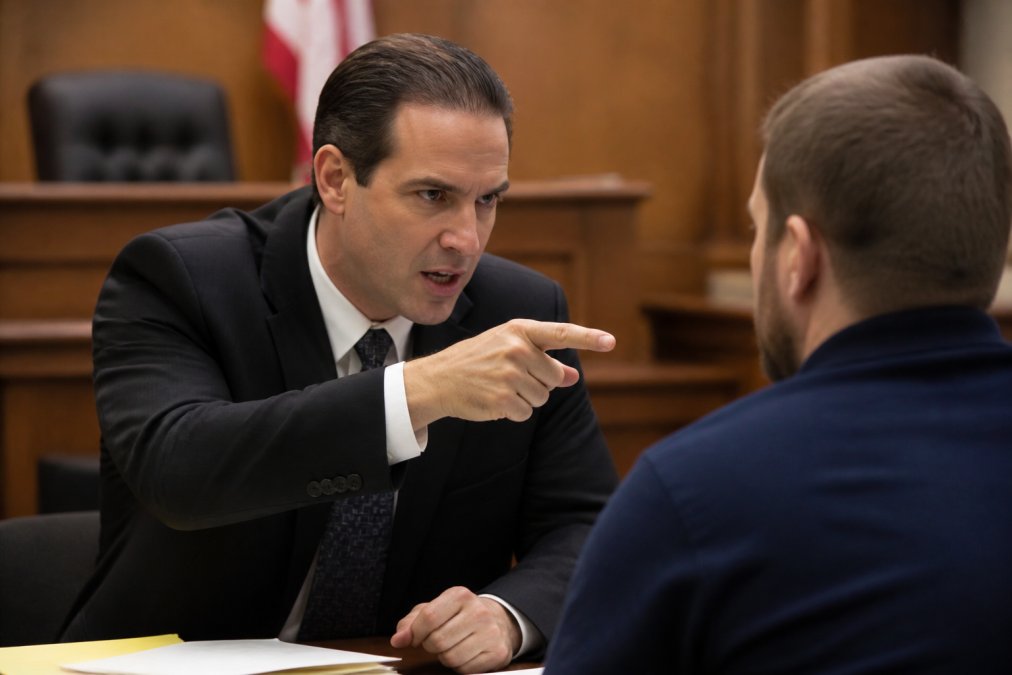
An aggressive lawyer is an attorney who pursues every available legal avenue on your behalf without hesitation, challenges weak evidence head-on, files strategic motions, and refuses to accept an unfavorable outcome without a fight. That is not the same as an attorney who is rude to opposing counsel, antagonizes the judge, or escalates conflict for its own sake.
Table of Contents
- What 'Aggressive Lawyer' Actually Means in Criminal Defense
- When an Aggressive Legal Strategy Works in Your Favor
- The Risks of Over-Aggressive Litigation
- Aggression, Billable Hours, and What It Costs You
- Qualities of a Good Criminal Defense Attorney to Look For
- Questions to Ask a Criminal Defense Attorney Before Hiring
- Your Criminal Defense Attorney Consultation Checklist
- Conclusion
Last Updated: August 18, 2026
What 'Aggressive Lawyer' Actually Means in Criminal Defense
The adversarial system in the United States is built on the premise that both sides present their strongest possible case. Your attorney's job is to hold the prosecution to its burden of proof, protect your constitutional rights, and fight for the best possible outcome. Doing that job thoroughly and without apology is what most people really mean when they say they want an aggressive attorney.

Aggressive vs. Zealous Advocacy: A Critical Distinction
Zealous advocacy is the ethical standard that governs every licensed attorney in the United States. According to the American Bar Association's Model Rules of Professional Conduct, attorneys are required to represent their clients with diligence and commitment. Zealous advocacy means your attorney works hard, prepares thoroughly, and fights for your interests within the bounds of the law and legal ethics.
Aggressive litigation describes a tactical posture: filing more motions, pushing harder in discovery, and applying pressure in settlement negotiations. The best criminal defense attorneys combine both, zealously committed to your outcome and tactically aggressive in how they pursue it. An attorney who is aggressive without ethical grounding creates serious problems. Judges and prosecutors notice, and the backlash can hurt your case.
When an Aggressive Legal Strategy Works in Your Favor
Not every case calls for the same approach. The decision to pursue aggressive litigation depends on the charges, the evidence, and what outcome you are trying to achieve.
Criminal Defense Cases That Demand a Hard-Hitting Approach
Criminal defense is where a hard-hitting attorney earns their fees. When your freedom, professional license, or reputation is on the line, a passive legal strategy is a losing one.
Consider these situations where aggressive representation is essential:
- DUI charges with prior offenses: A defense attorney who does not challenge field sobriety test procedures, breathalyzer calibration records, and the legality of the traffic stop is leaving your best defenses unused.
- Drug charges with significant quantity: Sentencing exposure increases dramatically with quantity. Aggressive motion practice challenging search and seizure can result in evidence suppression that changes the entire case.
- Sex crime allegations: These cases carry lifetime consequences including sex offender registration. The stakes demand an attorney who will challenge every piece of evidence and procedural misstep.
- White-collar crime accusations: Federal prosecutors are well-resourced. A defense attorney who matches their preparation and challenges their evidence at every stage is essential.
The Greeley Tribune described Bob Ray as having "a reputation as a bulldog in the courtroom" who "gets results" for his clients in Weld County courts.
The Risks of Over-Aggressive Litigation
Aggressive representation can backfire, and knowing when it becomes counterproductive is just as important as knowing when to push hard.
How Aggressive Tactics Affect Settlement Negotiations
Many criminal cases resolve through plea negotiations before trial. An attorney who has burned bridges with every prosecutor in the courthouse, who files frivolous motions just to appear busy, or who treats every interaction as a battle to dominate is not serving the client. Prosecutors are more likely to offer reasonable plea arrangements to defense attorneys they respect, a respect built on competence and preparation, not hostility.
The most effective criminal defense attorneys know when to press and when to negotiate. Aggressive tactics in discovery and motion practice create leverage that is then used strategically in settlement negotiations to achieve a favorable outcome.
Psychological Impact on the Client
Highly aggressive litigation is stressful. For clients already dealing with the anxiety of criminal charges, an attorney who escalates every interaction can make the experience significantly worse. A client-centered approach means your attorney explains the strategy clearly, prepares you for what is coming, and calibrates their approach to what actually serves your interests.
Aggression, Billable Hours, and What It Costs You
Aggressive litigation costs more. The right question is not "how aggressive is this attorney?" but rather "is the level of aggression proportionate to what is at stake in my case?"
For serious felony charges, aggressive representation is almost always justified. The cost is far lower than the cost of a conviction. For misdemeanor charges with limited sentencing exposure, a more measured approach may produce an equivalent outcome at significantly lower cost.
According to guidance from the National Association of Criminal Defense Lawyers, effective criminal defense requires attorneys to evaluate each case individually and tailor their approach to the facts, jurisdiction, and client's goals.
Qualities of a Good Criminal Defense Attorney to Look For
Trial experience: Many attorneys settle cases. Fewer have genuine trial experience. An attorney who has tried cases before juries in the actual courthouse where your case will be heard has a genuine advantage.
Local court knowledge: Weld County courts have their own procedures, tendencies, and personalities. An attorney with decades of experience in those specific courts understands how to present a case effectively.
Preparation discipline: The discovery process, pretrial motions, and trial preparation are where cases are won or lost. Thorough preparation is more valuable than courtroom volume.
Communication: You should never feel lost in your own case. A good criminal defense attorney explains what is happening, why it matters, and what comes next.
Honest assessment: The best attorneys tell you the truth about your case, including when the evidence is difficult.
The Role of Mediation and Client-Attorney Communication
The attorney-client relationship functions best when communication is structured and consistent. A clear protocol for how your attorney will update you on case developments, how quickly they will return calls, and how decisions will be made together reduces conflict and produces better outcomes.
Questions to Ask a Criminal Defense Attorney Before Hiring
Choosing the right attorney is one of the most consequential decisions you will make. The right questions cut through marketing language and reveal how an attorney actually operates.
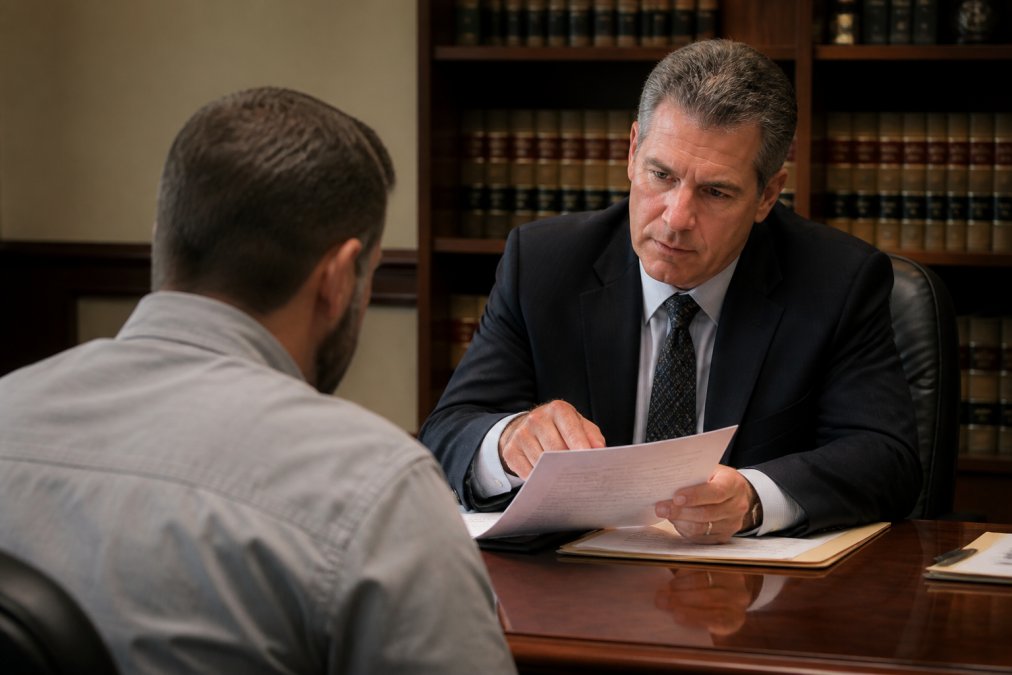
Start with these:
-
How many cases like mine have you handled, and what were the outcomes? Vague answers are a warning sign.
-
Will you be the attorney handling my case, or will it be passed to a junior associate? The attorney you meet in the consultation should be the attorney who appears in court.
-
What is your assessment of my case, and what are the realistic outcomes? An honest attorney gives you a realistic picture, not false optimism.
-
How do you handle communication with clients? You deserve to know how quickly calls are returned and who your point of contact is.
-
What is your experience in the specific court where my case will be heard? Local knowledge is a genuine advantage.
-
What is your approach to plea negotiations versus going to trial? This tells you whether the attorney defaults to settlement or is genuinely prepared to fight at trial.
-
Do you offer bilingual services? For Spanish-speaking clients, being able to communicate fully in your own language affects every aspect of your defense.
According to the Sixth Amendment Center's resources on right to counsel, the right to competent counsel is foundational to the American legal system.
Your Criminal Defense Attorney Consultation Checklist
Use this checklist before and during your initial consultation to evaluate whether an attorney is the right fit for your case.
| Evaluation Area | What to Look For | Why It Matters |
|---|---|---|
| Trial experience | Jury trials in relevant court | Courtroom demeanor is tested under pressure |
| Local court knowledge | Years in specific jurisdiction | Procedural tactics vary by courthouse |
| Case communication | Clear update protocol | Reduces client anxiety, prevents surprises |
| Honest case assessment | Realistic range of outcomes | Protects against false expectations |
| Aggression calibration | Strategy matches case stakes | Avoids unnecessary billable hours |
| Bilingual capacity | Language match for client | Full comprehension of legal strategy |
| Attorney continuity | Lead attorney handles case | Consistency in representation |
Before the consultation:
- Write down the specific charges you are facing
- Note any deadlines or upcoming court dates
- Prepare a brief timeline of events leading to the arrest
- List your primary concerns (career impact, family, reputation)
- Note any questions about the Weld County court process specifically
During the consultation:
- Ask all seven questions listed above
- Assess whether the attorney listens before talking
- Note whether the attorney gives specific answers or generic reassurances
- Confirm who will handle your case day to day
- Clarify communication expectations and response times
After the consultation:
- Compare how each attorney assessed your case
- Consider whether their recommended approach matches the stakes
- Trust your judgment about whether you felt heard
The Law Offices of Robert E. Ray has been handling criminal defense cases since 1975. The firm's decades of experience in Weld County courts, its reputation for fighting hard for clients, and its bilingual services reflect a client-centered approach to representation that goes beyond simply being aggressive.
For additional guidance on what to expect from legal representation, the American Bar Association's consumer guide to hiring a lawyer offers a useful framework for evaluating attorneys across practice areas.
Criminal defense cases are high-stakes decisions where the wrong legal strategy can follow you for years. The Law Offices of Robert E. Ray brings decades of courtroom experience, a proven record in Weld County courts, and the kind of tenacious advocacy that the Greeley Tribune has recognized publicly. Whether your case calls for aggressive motion practice, strategic negotiation, or both, the firm's approach is always calibrated to what actually serves your outcome. Contact us to discuss your case and get a straight assessment of your options.
Frequently Asked Questions
What defines an aggressive criminal defense attorney?
An aggressive criminal defense attorney challenges every element of the prosecution's case: filing motions to suppress evidence, demanding full discovery, cross-examining witnesses thoroughly, and refusing to accept weak plea offers without a fight. The term describes courtroom intensity and strategic tenacity, not hostility toward the court. The best attorneys combine that hard-charging approach with sound legal ethics and a clear-eyed read of when to press forward versus when to negotiate a better outcome for the client.
Is an aggressive lawyer always the best choice for a criminal case?
Not always. Aggressive litigation is most valuable in serious criminal cases, DUI, drug charges, sex crimes, white-collar offenses, where the stakes justify the cost and effort. In straightforward matters where a negotiated resolution is clearly in the client's best interest, an attorney who pushes relentlessly toward trial can drive up legal fees and damage the attorney-client relationship with the prosecution. The right attorney matches strategy to the specific facts of your case, not a one-size-fits-all posture.
Can an overly aggressive attorney hurt my case in court?
Yes. Judges notice when attorneys file frivolous motions, antagonize opposing counsel without cause, or disrespect courtroom decorum. That behavior can erode the credibility your defense needs. An attorney who confuses combativeness with competence may also alienate jurors and push prosecutors to dig in rather than negotiate. Signs of needless aggression include billing for excessive motion practice that produces no result, refusing to discuss realistic outcomes, and treating every procedural step as a battle regardless of the benefit to you.
What should I look for in a criminal defense lawyer beyond their reputation?
Look for specific trial experience in your type of charge, familiarity with the local court system and its prosecutors, and clear communication habits. Ask how often they actually take cases to trial versus settling, how they bill for motion practice, and whether they will personally handle your case or delegate it. A strong attorney-client relationship built on honest updates and realistic expectations matters as much as courtroom skill, especially in high-stakes criminal defense situations where case duration can stretch months.
This article was written using GrandRanker