
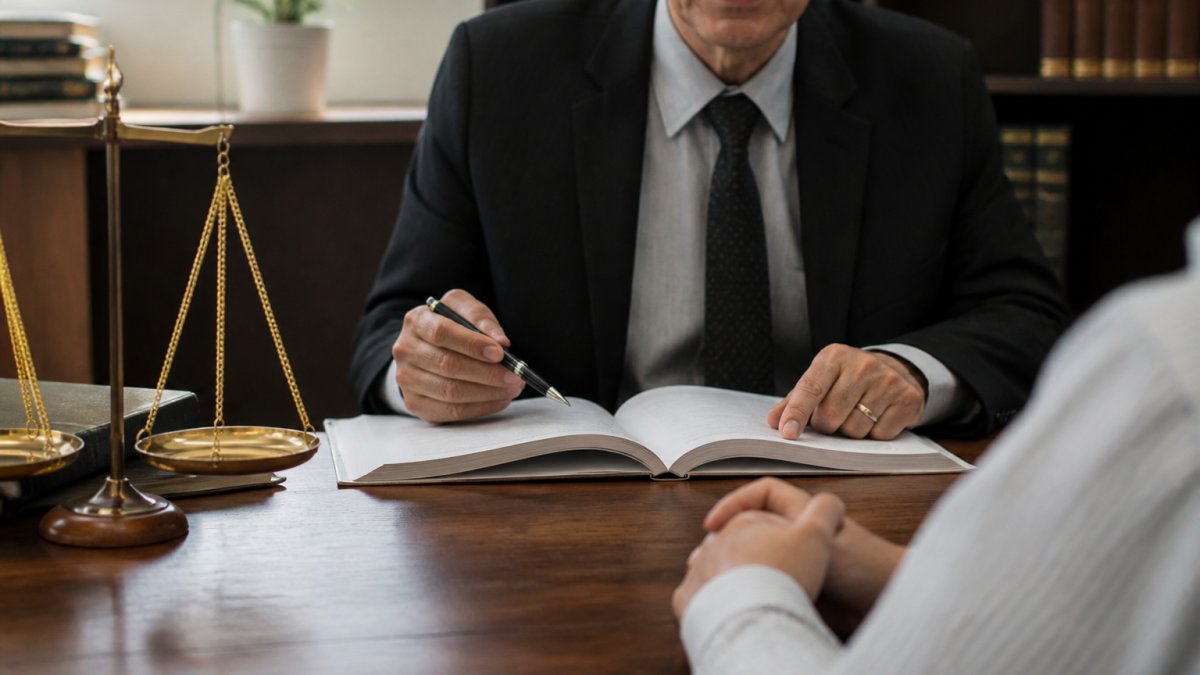
A criminal defense attorney represents individuals accused of criminal charges and protects their rights throughout the legal process, serving as an advocate in court, during prosecutor negotiations, and in all justice system interactions. (Source: the Sixth Amendment to the U.S. Constitution)
Table of Contents
- What a Criminal Defense Attorney Does for You
- How to Choose a Criminal Defense Lawyer
- Questions to Ask a Criminal Defense Attorney Before Hiring
- Understanding Your Criminal Defense Attorney Consultation
- DUI Defense: Working With a Northern Colorado DUI Attorney
- The Criminal Case Process and What to Expect
- Your Rights After Arrest and Immediate Actions to Take
- Public Defender vs. Private Criminal Defense Attorney
- Frequently Asked Questions
Last Updated: October 10, 2026
What a Criminal Defense Attorney Does for You
Your criminal defense attorney investigates charges, reviews prosecution evidence, identifies case weaknesses, advises on plea or trial options, and presents your defense in court through witness cross-examination and arguments before a judge or jury.
A criminal defense attorney protects your constitutional rights by ensuring proper police procedures, challenging illegally obtained evidence, and helping you understand potential consequences and realistic outcomes.
At the Law Offices of Robert E. Ray, we've defended clients facing everything from DUI charges to white-collar and sex crime charges. Our approach combines aggressive courtroom advocacy with thorough case preparation. We treat each client's situation as unique and work to achieve the strongest possible outcome given the specific facts and circumstances.
How to Choose a Criminal Defense Lawyer
Selecting the right criminal defense lawyer is one of the most important decisions you'll make when facing charges. The attorney you hire will shape your case strategy, represent you in court, and influence the outcome.
Identify attorneys with experience in your specific charge type. A DUI specialist may lack expertise in drug defense or white-collar crimes. Ask potential attorneys directly: How many similar cases have you handled? What were the outcomes?
Seek an attorney with extensive courtroom experience. Ask about their trial record and philosophy on negotiation versus trial, especially if your case might go to court.
Consider the attorney's reputation in local courts. Judges and prosecutors know regular courtroom advocates, and strong reputations enhance credibility.
Evaluate communication: Do they explain concepts clearly, return calls promptly, and keep you informed? You need an attorney who treats you as a partner, not just another case.
Questions to Ask a Criminal Defense Attorney Before Hiring
Before you commit to hiring an attorney, ask the right questions. These conversations reveal whether an attorney is the right fit for your situation.
Ask: "How many cases like mine have you handled?" and "What were typical outcomes?" to assess their track record with similar severity and circumstances.
Ask about their case approach: "What are the prosecution's case strengths and weaknesses?" and "What are my realistic options?" to understand whether negotiation or trial is more likely.
Ask about updates: "How often will you contact me?" and "What's the best way to reach you?"
Discuss fees: "What is your fee structure?" "What costs beyond attorney fees should I expect?" and "Do you offer payment plans?" Clarity upfront prevents misunderstandings.
Ask about philosophy: "Do you typically negotiate pleas or prepare for trial?" and "How do you decide between plea deals and trial?" to understand their approach.
Understanding Your Criminal Defense Attorney Consultation
Your initial consultation with a criminal defense attorney is your opportunity to assess whether they're the right fit and to begin building your defense strategy. Understanding what happens during this meeting helps you prepare and get the most value from it.
Bring documents related to your case, arrest paperwork, citations, prosecutor correspondence. Be detailed and honest; your attorney needs complete information to evaluate your situation.
Your attorney will ask about the incident, your background, and criminal history. Don't hold back information, everything is protected by attorney-client privilege and cannot be shared without your permission.
The attorney will explain your charges, potential consequences, the case process, your rights, and your options in understandable language.
A good consultation ends with clear next steps: what your attorney will do, when you'll meet again, and what you should/shouldn't do pending trial.

DUI Defense: Working With a Northern Colorado DUI Attorney
DUI charges carry serious consequences and require specialized defense strategies. A Northern Colorado DUI attorney understands the specific laws and procedures that apply to impaired driving charges in this jurisdiction.
DUI cases involve complex scientific evidence about blood alcohol and breath testing. Your attorney must understand how these tests work, what can go wrong, and how to challenge accuracy, many convictions are overturned due to unreliable or improper testing.
Your DUI attorney investigates whether police had reasonable suspicion for the stop, examines field sobriety test administration, and reviews blood/breath collection procedures. Any deviation can exclude evidence from trial.
A skilled DUI defense attorney knows local court negotiation dynamics and realistic outcomes, advising whether a plea agreement or fighting charges is more favorable.
DUI charges can affect your driving privileges, employment, and insurance rates. Your attorney will work to minimize these collateral consequences while defending against the criminal charges themselves.
The Criminal Case Process and What to Expect
Understanding the criminal case process reduces anxiety and helps you work effectively with your attorney. The process typically follows several stages, though the exact timeline varies depending on the complexity of your case.
Your case begins with an arrest or citation. If you're arrested, you'll be taken to a police station or jail for booking. You'll have the opportunity to request an attorney at this point. An initial appearance or arraignment follows within a few days, where you'll learn the charges against you and your rights.
Next comes the investigation and discovery phase. Your attorney requests all evidence the prosecution has against you, including police reports, witness statements, and lab results. Your attorney investigates the case independently, interviewing witnesses and examining evidence.
Many criminal cases are resolved through plea negotiation. Your attorney and the prosecutor discuss the possibility of resolving the case without trial. This might involve pleading guilty to a lesser charge or negotiating a recommended sentence.
If negotiations don't result in an agreement, your case proceeds toward trial. Pre-trial motions may be filed to challenge evidence or procedures. A trial date is set, and both sides prepare their cases.
Trial involves presenting evidence, examining witnesses, and making arguments before a judge or jury. After trial, if you're convicted, sentencing occurs where the judge determines your punishment.
Your Rights After Arrest and Immediate Actions to Take
Knowing your rights immediately after arrest protects you and helps your criminal defense attorney build a stronger case. The actions you take in the first hours after arrest significantly impact your case.
Your most important right is the right to remain silent. You are not required to answer police questions. Anything you say can be used against you in court. Even if police tell you that remaining silent makes you look guilty, staying quiet is the legally smart choice. Request an attorney and do not answer questions until your attorney is present.
You have the right to request an attorney. Tell police clearly: "I want to speak to an attorney." Once you make this request, police must stop questioning you. They cannot use your silence against you in court. This right applies whether or not you can afford an attorney.
You have the right to refuse consent to search your vehicle, home, or person. Police can search without your consent if they have a warrant or if they have probable cause in certain circumstances. But if they ask permission, you can say no. Clearly state: "I do not consent to a search."
If police arrest you, you have the right to know why. You have the right to an attorney, to remain silent, and to have a bail hearing where a judge decides whether you can be released before trial.
Take action immediately. Contact an attorney as soon as possible. If you cannot afford one, you can request a public defender. Write down everything you remember about your arrest while it's fresh in your mind, but only share these details with your attorney.
Public Defender vs. Private Criminal Defense Attorney
When you face criminal charges, you may have a choice between a public defender and a private criminal defense attorney. Understanding the differences helps you make an informed decision.
A public defender is a lawyer employed by the government to represent people who cannot afford to hire their own attorney. Public defenders are skilled lawyers who handle criminal cases regularly. They know the local court system and prosecutors well.
However, public defenders typically carry large caseloads. They may have limited time to spend on each case. They have limited budgets for investigation and expert witnesses. If your case is complex or requires extensive investigation, a public defender may not have the resources to provide the level of representation you need.
A private criminal defense attorney can devote more time and resources to your case. They can hire investigators and expert witnesses. They can focus exclusively on your defense without juggling dozens of other cases.
The trade-off is cost. Private attorneys charge fees that reflect the time and expertise they provide. However, many private attorneys offer payment plans or flexible fee arrangements.
The best choice depends on your specific situation. For straightforward cases with limited evidence, a public defender may be adequate. For complex cases or cases with serious consequences, a private attorney may provide better representation.
| Factor | Public Defender | Private Criminal Defense Attorney |
|---|---|---|
| Cost | Free if you qualify | Varies; payment plans often available |
| Caseload | High; limited time per case | Lower; more focused attention |
| Investigation Resources | Limited | More extensive investigation possible |
| Expert Witnesses | Limited availability | Can hire specialized experts |
| Local Court Knowledge | Extensive | Varies; some have deep local experience |
| Availability | Government-assigned | Your choice of attorney |
Facing criminal charges is one of life's most challenging experiences. The decisions you make now will affect your future for years to come. You need someone in your corner who understands the law, knows the local courts, and will fight aggressively for your rights.
The Law Offices of Robert E. Ray has been defending clients in Weld County and throughout Northern Colorado since 1975. We combine decades of courtroom experience with a genuine commitment to achieving the best possible outcomes for our clients.
Frequently Asked Questions
What should I ask a criminal defense attorney before hiring one?
Ask about their experience with cases similar to yours, their track record with outcomes, how they communicate with clients, their fee structure, and whether they handle your specific charge type (DUI, drug offenses, felonies, etc.). Ask how often they go to trial versus settling, and request references from past clients if possible. Understanding their approach to your case helps you make an informed decision about representation.
How do I choose a criminal defense lawyer for a DUI charge?
Look for an attorney with specific DUI experience and familiarity with your state's laws. Ask about their success rate in DUI cases, whether they challenge breathalyzer or field sobriety tests, and how they handle first-time versus repeat offenses. Find someone who knows the local courts and prosecutors in your area. A Northern Colorado DUI attorney familiar with Weld County procedures will understand local nuances that affect your defense strategy.
What happens during a criminal defense attorney consultation?
A consultation allows you to discuss your charges, arrest circumstances, and concerns with an attorney. They'll review the facts, explain potential outcomes, and discuss defense options. This is your chance to assess whether you're comfortable working together and to ask questions about their experience and fees. Many attorneys offer free or low-cost initial consultations to help you evaluate whether they're the right fit for your criminal defense needs.
Should I hire a public defender or a private criminal defense attorney?
Public defenders are free if you qualify based on income, but they handle high caseloads and may have limited time for your case. Private criminal defense attorneys typically have smaller caseloads and can dedicate more attention to your defense strategy. The choice depends on your financial situation, case complexity, and the specific charges you face. Discuss eligibility and options during your consultation to understand what's available to you.





