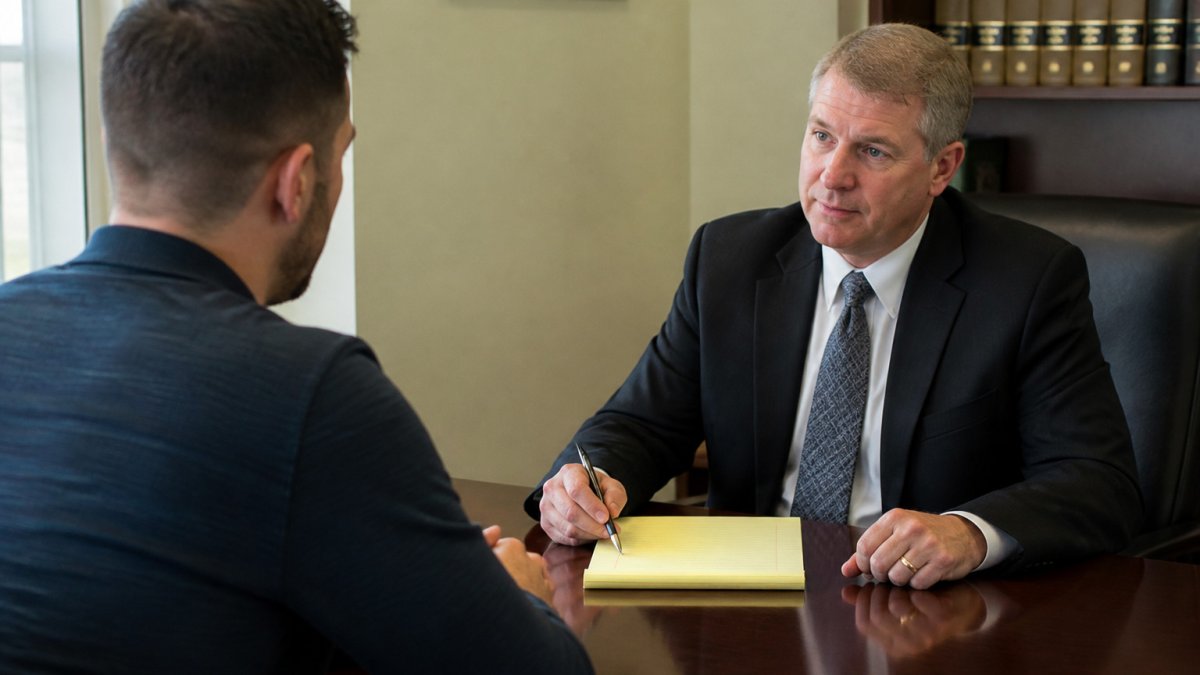
The qualities of a successful criminal defense attorney include courtroom experience with verifiable outcomes, deep knowledge of criminal law and local procedure, and clear communication. Strong ones also show analytical thinking, skilled negotiation, attention to detail, and perseverance through setbacks.
Quick Summary
Billboards and TV spots tell you a firm is confident. They rarely tell you whether a lawyer can hold up in a courtroom.
A criminal defense attorney is a lawyer who represents people charged with crimes. The job covers investigation, negotiation, motions, and trial.
The problem is that most advertising sounds the same. Everyone claims to be aggressive, experienced, and dedicated.
Trial experience is one of the most important qualities of a criminal defense attorney. Plea deals are common, but a lawyer who can credibly try a case gives you use when negotiating.
Ask specific questions:
Press coverage can help. Our firm has been mentioned in The Greeley Tribune for courtroom results. Still, a news mention is only a starting point. Confirm details through public court records and direct conversation.
Strong criminal defense depends on knowing the law and the procedure. Colorado statutes, sentencing rules, and local court practices all affect outcomes. A lawyer who knows how the local court handles arraignments, discovery, and motions can spot problems early.
Look for a lawyer who:
Skills matter only when they change what happens to your case. The qualities of a successful criminal defense attorney are not abstract virtues; they are working habits you can observe in how a lawyer reads a police report, questions a witness, or explains a plea offer. Here is what to watch for, and how each skill shows up in real practice.
A capable criminal defense attorney takes the prosecution's evidence apart piece by piece. They check the timeline, the witness statements, and the lab reports.
Ask how the lawyer would approach the probable cause affidavit in your case. A strong answer walks through the stop, the search, and the arrest in sequence and identifies the pressure points. A weak answer stays general.
Communication runs both directions. The lawyer has to explain procedure, options, and risk in plain language, and has to listen closely enough to catch facts you might not realize are important.
You should leave a consultation knowing the next three steps in your case and who will contact you about each one. If you cannot restate the plan in your own words, the communication was not clear enough.
Advocacy is not volume. It is the ability to frame facts and law so that a judge or jury sees the case your way. In practice that means strong opening statements, disciplined cross-examination, and objections that are timely and grounded in the rules of evidence. Ask the lawyer to describe a recent hearing or trial where their advocacy changed the outcome, and listen for specifics about what they did rather than adjectives about how aggressive they are. Our white collar practice page describes how we handle financial and white-collar charges.
Most criminal cases resolve without trial, so negotiation skill matters as much as courtroom skill. A strong negotiator knows the sentencing guidelines, the local prosecutors' charging practices, and the collateral consequences of a conviction, such as license suspensions or immigration exposure. They use trial readiness as leverage. Ask how the lawyer decides when to push for a better offer and when to advise that a plea is the better path.
Small errors decide cases: a missed deadline, an unread lab report, a suppression issue spotted too late. Attention to detail shows up in how quickly the lawyer returns documents, whether they catch inconsistencies in the discovery, and whether they calendar every court date and statutory deadline. You can test this early by noticing whether the lawyer follows up on promised information after your first meeting.
Criminal cases move slowly, and setbacks are normal. A determined lawyer keeps pressing on motions, keeps communicating with the client, and does not treat a bad ruling as the end of the case. Ask how the lawyer handles an adverse ruling or a prosecutor who will not budge. The answer tells you whether you are hiring someone who will keep working the file.
The article breaks the qualities of a successful criminal defense attorney into observable skills, each with a clear test you can apply.
| Skill | What to observe | Test question |
|---|---|---|
| Analytical thinking | Takes evidence apart piece by piece | How would you approach the probable cause affidavit? |
| Communication | Explains plainly and listens closely | Can you restate the next three steps? |
| Advocacy | Frames facts and law persuasively | Describe a recent hearing where advocacy changed the outcome |
| Negotiation | Uses trial readiness as leverage | When do you push for a better offer? |
| Attention to detail | Meets deadlines and reads discovery | Does the lawyer follow up on promised information? |
| Perseverance | Keeps pressing after adverse rulings | How do you handle an adverse ruling? |
Use your first meeting to test how the lawyer thinks. Consider asking:
Clear, direct answers are a good sign. Vague answers or pressure to sign right away are not.
Match the lawyer to your charge. A DUI defense involves breath or blood testing, traffic stop rules, and license issues. A white-collar case involves financial records and often federal exposure.
Check that the lawyer regularly appears in your local courts. You can also review our guide, First Time Dui Weld County Legal Guide, for a local overview of what a first offense process can look like.
If you are facing a DUI charge in the area, our Weld County DUI defense attorney page explains how we approach these cases. For a general view of the practice, see our DUI practice area.
A consultation tells you more than any website. It is your chance to test the qualities of a successful criminal defense attorney against your actual case. Come prepared with a short list of questions, and pay attention to how the lawyer answers as much as what they say.
Use these questions to compare lawyers on the same footing:
Clear, direct answers are a good sign. Vague answers, pressure to sign right away, or promises about outcomes are not.
You can check a lawyer's licensing and disciplinary history through the Colorado Supreme Court Attorney Regulation public records (Attorney / LLP Search & Disciplinary History). Ask whether the lawyer's claimed experience is with the specific charge you face or with criminal defense generally; the two are not the same. When a lawyer describes past outcomes, ask them to explain the facts and the result in general terms without breaching client confidentiality.
Criminal defense fees commonly take one of several forms. Pricing depends on the case and the attorney, so ask the firm for its fee structure and for current pricing through its website or a direct quote. Ask what happens if the case goes to trial, whether expert witnesses and investigators are included, and how costs like transcripts or testing are handled.
Good communication is a quality in itself. You should know what is happening in your case at every stage, who to contact, and how quickly to expect a response. Ask how the lawyer shares documents, whether you will receive copies of filings, and how they will explain developments in plain language. Clarify confidentiality: what you tell the lawyer is protected, but you should understand how the firm handles your information and who on staff will see it.
A strong defense is a partnership. Expect to gather documents, provide names of witnesses, and answer questions promptly. Ask the lawyer what they need from you and by when. A lawyer who explains your responsibilities clearly is more likely to keep the case moving and to avoid surprises.
If you are facing a DUI charge in the area, our Weld County DUI defense attorney page explains how we approach these cases. For a general view of the practice, see our DUI practice area.
Contact Law Offices of Robert E. Ray to schedule a consultation and see whether our approach fits your situation.
Look for courtroom experience, a verifiable record of case outcomes, working knowledge of criminal law and procedure, and strong communication. Strong analytical skills help an attorney assess evidence and build a defense strategy. Ask how often the lawyer takes cases to trial, and whether they explain each step clearly. Confidence and integrity matter too, since you need someone willing to press the prosecution rather than push you toward a plea you do not want.
Check whether the attorney can describe their trial experience with specific case types, such as DUI, drug or white-collar charges. Ask for references or verifiable published coverage rather than relying on advertising alone. Pay attention to how they answer your questions: a good criminal defense attorney gives direct answers about fees, strategy and likely next steps. Also consider how responsive they are during the first consultation.
Ask how many cases similar to yours they have handled, and what the outcomes were. Ask who will actually work on your case and how often you will receive updates. Ask how fees are structured and what they include, such as investigation, hearings and trial preparation. Ask whether they negotiate with prosecutors, take cases to trial, or do both, and how they decide between the two for a case like yours.
A criminal defense attorney should explain each stage of your case in plain language and tell you what to expect in court. They should return calls within a reasonable time and keep you informed of significant developments, including plea offers. You should also understand your own responsibilities, such as attending hearings and sharing relevant information honestly. Clear, regular communication reduces the stress of an unfamiliar legal process.
